Luxury home ownership isn’t just about having a beautiful place to live; it’s a lifestyle that reflects success and personal taste. From sprawling estates to chic penthouses, these homes offer more than just stunning architecture; they provide an unparalleled level of comfort and exclusivity.
Investing in a luxury property can also be a smart financial move. With the right location and amenities, these homes often appreciate in value, making them a desirable asset. As the market for high-end real estate continues to evolve, understanding the nuances of luxury home ownership becomes essential for anyone looking to make a significant investment.
Understanding Luxury Home Ownership
Luxury home ownership signifies more than mere possession of an upscale property. It reflects a particular lifestyle marked by quality, exclusivity, and financial savvy. Properties in this category often feature high-end amenities, unique architectural details, and prime locations.
Factors Influencing Luxury Home Ownership
- Location: Proximity to urban centers, natural landscapes, and cultural landmarks enhances value.
- Amenities: High-end features such as swimming pools, home theaters, and landscaped gardens contribute to overall appeal.
- Market Trends: Awareness of local and national real estate trends informs effective investment decisions.
- Property Maintenance: Professional services for upkeep ensure properties retain their value and attractiveness.
Benefits of Luxury Home Ownership
- Investment Potential: Luxury properties often appreciate faster than standard homes, providing financial growth.
- Quality of Life: Access to exclusive communities, superior schools, and recreational facilities enhances overall enjoyment.
- Tax Advantages: Investment in real estate can offer potential tax deductions, further incentivizing ownership.
- Personal Satisfaction: Owning a luxury home fulfills personal aspirations and reflects individual taste.
Challenges of Luxury Home Ownership
- Market Volatility: Luxury markets can experience fluctuations, impacting resale values and investment stability.
- High Maintenance Costs: Upkeep for luxury homes requires substantial financial resources for maintenance and improvement.
- Complex Transactions: Navigating the buying process involves understanding legal implications and securing financing.
- Insurance Needs: Insurance for high-value homes often necessitates specialized coverage to protect against unique risks.
Understanding the intricacies of luxury home ownership equips potential buyers with necessary insights, allowing informed decisions in this exclusive market.
Benefits Of Luxury Home Ownership
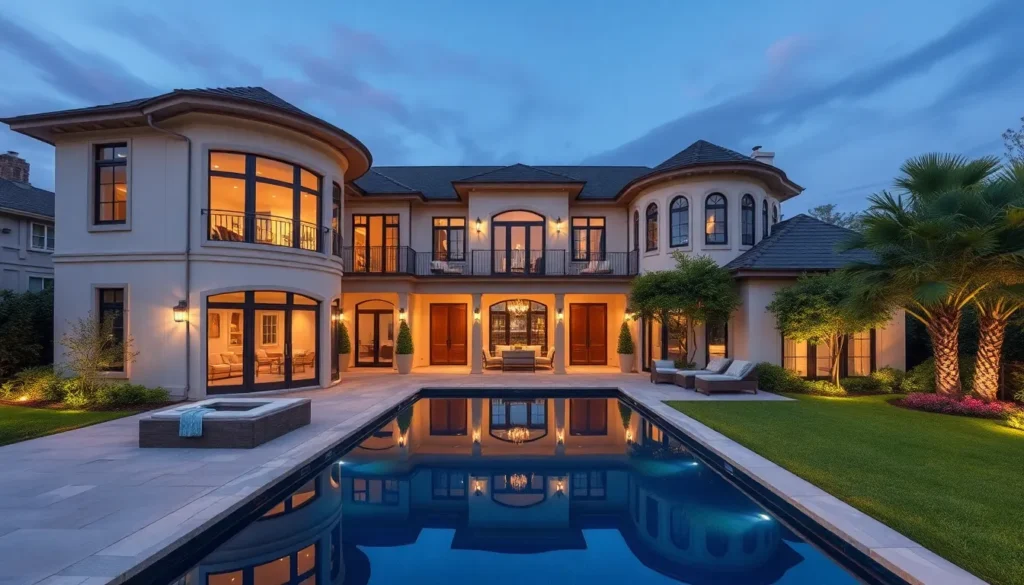
Luxury home ownership offers numerous advantages, ranging from financial gains to lifestyle enhancements. Understanding these benefits can aid potential buyers in making informed choices.
Investment Potential
Luxury properties often appreciate at rates higher than standard homes. Real estate in prime locations typically retains value and can generate significant returns upon resale. According to a report from Knight Frank, luxury real estate prices rose by 10% on average globally in the past year. Investors frequently find that owning luxury real estate diversifies their portfolio, providing stability against market fluctuations. The combination of high demand and limited supply contributes to the enduring value of these properties.
Lifestyle Advantages
Owning a luxury home presents unique lifestyle benefits. Access to high-end amenities, such as private pools, fitness centers, and gourmet kitchens enhance day-to-day living. The prestige associated with luxury homes often provides an elevated social status and networking opportunities. Many luxury properties are located in prestigious neighborhoods, fostering a community of like-minded individuals. Additionally, these homes frequently offer prime locations near cultural attractions, fine dining, and upscale shopping, enriching the owner’s overall quality of life.
Factors To Consider When Buying Luxury Homes
Luxury home ownership requires careful consideration of several key factors. Potential buyers should prioritize location, neighborhood, and property features to ensure their investment aligns with personal and financial goals.
Location And Neighborhood
Location plays a critical role in luxury home selection. Buyers often seek properties in prestigious neighborhoods with access to esteemed schools, upscale shopping, and fine dining. High-demand locations, such as city centers or exclusive waterfronts, tend to appreciate more rapidly than others. Proximity to cultural landmarks and recreational facilities also enhances lifestyle quality. Considering future development plans in the area can provide insights into long-term investment value.
Property Features
Property features significantly influence luxury home desirability. High-end amenities such as gourmet kitchens, spacious living areas, and spa-like bathrooms appeal to buyers. Smart home technology, energy-efficient systems, and custom finishes add to a home’s allure. Outdoor spaces, including landscaped gardens and pools, contribute to enjoyment and entertainment. Buyers should evaluate the uniqueness and quality of these features, as luxurious touches can elevate both comfort and value.
Financing Luxury Home Purchases
Financing luxury home purchases involves various options tailored to high-value transactions. Understanding these possibilities ensures potential buyers can navigate the complexities of acquiring luxury properties effectively.
Mortgage Options
Luxury home buyers benefit from various mortgage options designed for high-end purchases. Conventional mortgages offer fixed and adjustable rates, accommodating different financial situations. Jumbo loans provide financing for properties exceeding conventional loan limits, often requiring higher credit scores and larger down payments. Some buyers prefer interest-only loans, which allow lower initial monthly payments, but this method often leads to a larger remaining balance upon loan maturity. Additionally, portfolio loans, offered by private lenders, allow flexibility in qualifying criteria, catering to unique financial circumstances. Each option presents distinct advantages and disadvantages, so thorough research is necessary to select the best fit.
Alternative Financing Methods
Alternative financing methods offer additional avenues for acquiring luxury properties. Cash purchases stand out for their simplicity, facilitating quicker transactions without the need for mortgage approvals or appraisals. Private lending facilitates access to funds from individual investors or groups, providing more flexible terms compared to traditional lenders. Seller financing allows buyers to negotiate terms directly with sellers, making it possible to bypass the conventional loan process. Additionally, hard money loans, often secured by the property itself, provide a short-term financing solution for buyers needing quick access to funds. Each alternative method carries specific risks and rewards, making informed choices essential for luxury home buyers.
Trends In Luxury Home Ownership
Luxury home ownership trends reflect changing buyer preferences and market dynamics. Recent data reveals several key areas shaping the future of luxury real estate.
- Sustainability and Eco-Friendly Homes: Growing awareness of climate change prompts buyers to seek sustainable properties. Features like solar panels and energy-efficient appliances gain popularity. Eco-friendly designs not only reduce environmental impact but also lower utility costs.
- Smart Home Technology: Integration of smart technology enhances the appeal of luxury homes. Buyers desire features such as automated lighting, security systems, and climate control. These advancements improve convenience and increase property value.
- Wellness and Health-Focused Spaces: The pandemic emphasizes the importance of health in home design. Homebuyers look for features like home gyms, wellness rooms, and outdoor spaces for exercise. Properties that promote well-being attract higher interest.
- Remote Work Adaptations: As remote work becomes common, luxury homes with dedicated office spaces gain traction. Buyers prioritize layouts that accommodate home offices, ensuring productivity and comfort.
- Urban vs. Suburban Preferences: Interest in suburban luxury homes rises, driven by lifestyle changes. Buyers seek larger spaces and quieter environments, often with access to nature. However, urban luxury properties remain appealing for their proximity to amenities and cultural hubs.
- Global Market Influence: Foreign investors target luxury properties in major cities. Economic stability and favorable investment environments draw international buyers. This trend stabilizes luxury markets, even amidst local fluctuations.
- Experiential Living: Luxury real estate emphasizes experience over traditional ownership. Concepts like co-living and resort-style amenities cater to individuals seeking community and enhanced lifestyles, appealing to a broader audience.
These trends indicate a dynamic luxury real estate market, where buyer priorities constantly evolve. Staying informed about these shifts helps potential investors navigate the opportunities within luxury home ownership.
Luxury home ownership represents more than just an investment; it embodies a lifestyle of sophistication and comfort. With the right knowledge and understanding of the market, buyers can navigate the complexities of luxury real estate effectively.
The allure of exclusive properties continues to grow, driven by evolving trends and buyer preferences. As the market adapts, so do the opportunities for those looking to invest in luxury homes.
Ultimately, owning a luxury property not only enhances one’s quality of life but also serves as a strategic financial asset. Embracing this journey can lead to both personal satisfaction and significant returns.