Access to clean water is essential for health and well-being. With rising concerns about water quality, many people are turning to water filtration systems to ensure their drinking water is safe and free from contaminants. These systems not only improve taste but also remove harmful substances, providing peace of mind for families and individuals alike.
Understanding the different types of water filtration systems available can help consumers make informed decisions. From activated carbon filters to reverse osmosis systems, each option has its unique benefits and drawbacks. As awareness of water quality issues grows, investing in a reliable filtration system has become a practical choice for those looking to enhance their water supply.
Overview of Water Filtration Systems
Water filtration systems serve to improve drinking water quality by removing harmful contaminants and enhancing taste. Various systems utilize different technologies to accomplish this goal, catering to individual needs and preferences.
Types of Water Filtration Systems
- Activated Carbon Filters
- Activated carbon filters use porous carbon to trap chemicals and impurities.
- These filters effectively reduce chlorine, sediment, and volatile organic compounds (VOCs).
- They require replacement every 6 to 12 months for optimal performance.
- Reverse Osmosis Systems
- Reverse osmosis systems push water through a semipermeable membrane.
- These systems eliminate up to 95% of dissolved salts, heavy metals, and other impurities.
- It’s essential to check membrane lifespan, typically around 2 to 5 years.
- Ultraviolet (UV) Purifiers
- UV purifiers use ultraviolet light to kill bacteria and viruses.
- These systems do not remove toxins or sediments but effectively disinfect water.
- UV lamps generally need replacement every year.
- Water Distillers
- Water distillers boil water and collect steam, leaving contaminants behind.
- This method effectively removes heavy metals and chemicals but can alter taste.
- Distillation requires regular cleaning and maintenance.
- Ion Exchange Systems
- Ion exchange systems soften water by removing calcium and magnesium ions.
- These are ideal for treating hard water and preventing scale buildup.
- Regular salt replenishment is necessary for continuous operation.
Benefits of Water Filtration
- Improved Taste and Odor
- Filtration systems enhance the taste and odor of drinking water by removing chlorine and other taste-altering substances.
- Health Protection
- Systems reduce exposure to harmful substances like lead, pesticides, and bacteria, promoting overall health.
- Cost-Effectiveness
- Investing in filtration systems can lower costs associated with bottled water in the long run.
- Environmental Impact
- Using filtration systems reduces plastic waste from bottled water, supporting sustainable practices.
Selecting a Water Filtration System
- Assessing Water Quality
- Test tap water for contaminants to select a suitable filtration system.
- Identifying Needs
- Determine the specific contaminants to address, as this influences the choice of filtration technology.
- Considering Maintenance
- Evaluate replacement frequency and maintenance requirements to ensure system efficacy and convenience.
- Budgeting
- Consider initial costs versus long-term savings when choosing a filtration system.
Types of Water Filtration Systems
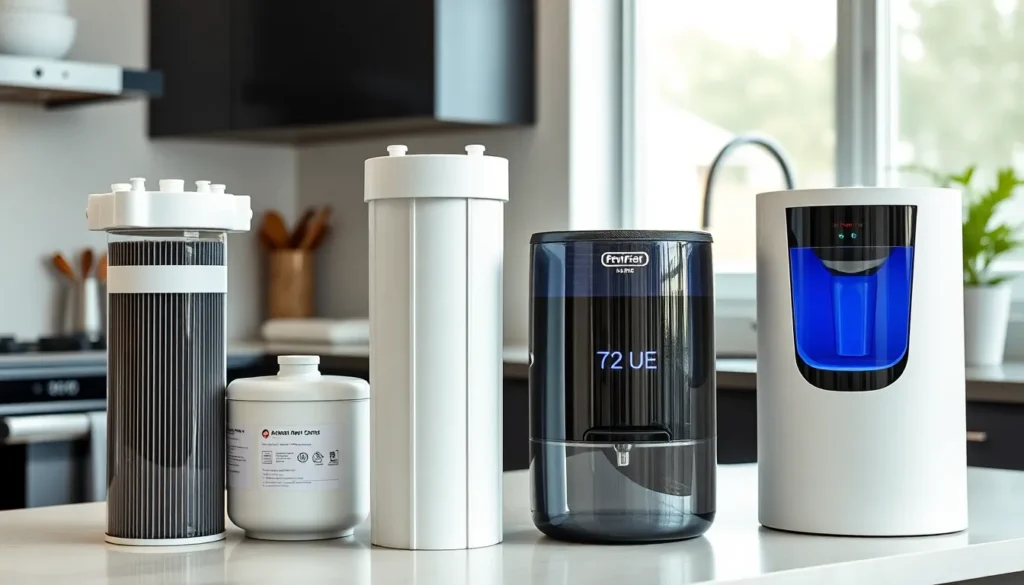
Water filtration systems come in various types, each designed to tackle specific contaminants and improve water quality. Understanding these types helps in selecting the right system for individual needs.
Activated Carbon Filters
Activated carbon filters effectively remove chlorine, sediment, volatile organic compounds (VOCs), and other impurities. They work through adsorption, where contaminants adhere to the surface area of activated carbon. Options include countertop models, under-sink installations, and pitcher filters. Regular maintenance, such as replacing the cartridges every 2-6 months, ensures optimal performance.
Reverse Osmosis Systems
Reverse osmosis (RO) systems utilize a semipermeable membrane to separate impurities from water. These systems can remove up to 99% of contaminants, including heavy metals, fluoride, nitrates, and bacteria. RO systems generally consist of multiple filters and require regular maintenance, including filter changes every 6-12 months and periodic sanitization. Their comprehensive filtration capabilities make them a popular choice for households concerned about water quality.
UV Water Purifiers
Ultraviolet (UV) water purifiers use UV light to eliminate bacteria, viruses, and other microorganisms. This technology does not chemically alter the water and requires little maintenance. Regular lamp replacement every 12-18 months maintains effectiveness. UV purifiers work best in conjunction with other filtration systems, as they do not remove chemical contaminants or sediment.
Benefits of Using a Water Filtration System
Utilizing a water filtration system provides numerous advantages. Key benefits include improved water quality and cost-effectiveness.
Improved Water Quality
Improving water quality is a primary benefit of filtration systems. Water filtration systems effectively remove contaminants such as chlorine, lead, and bacteria, ensuring safer drinking water. Activated carbon filters achieve this through adsorption, while reverse osmosis systems eliminate up to 99% of harmful particles, including heavy metals and microorganisms. UV purifiers significantly reduce pathogen presence without altering water chemistry. Enhanced taste and odor accompany this purification process, resulting in better overall drinking experiences.
Cost-Effectiveness
Cost-effectiveness becomes evident with the implementation of a water filtration system. Regular use of filtered water reduces reliance on bottled water, which typically incurs higher costs over time. Installing a filtration system leads to long-term savings due to decreased expenses associated with purchasing bottled water. Additionally, many systems provide high-quality water for a fraction of the price, allowing households to enjoy clean water without breaking the bank. Choosing a filtration system often represents a smart financial decision while contributing to better health and environmental sustainability.
How to Choose the Right Water Filtration System
Selecting an appropriate water filtration system requires careful consideration of various factors and awareness of common pitfalls. Understanding these elements ensures better choices for accessing clean water.
Factors to Consider
- Water Quality: Analyze water quality through testing kits, focusing on contaminants like chlorine, lead, or bacteria. Results dictate filtration system requirements.
- Filtration Technology: Assess different technologies, including activated carbon filters for chemical contaminants and reverse osmosis systems for broader contaminant elimination. Choose based on specific needs.
- Flow Rate: Evaluate the desired flow rate. Systems vary; some provide continuous flow, while others may require storage tanks. Compatibility with daily usage is essential.
- Size and Space: Examine available installation space. Some systems fit under sinks, while others occupy countertop or whole-house spaces. Size impacts practicality.
- Maintenance Needs: Understand maintenance schedules, including filter replacements and system cleaning. Lower maintenance requirements often appeal to busy households.
- Budget: Determine budget constraints. While initial costs vary by system, long-term savings from reduced bottled water usage justify higher investments in certain filters.
Common Mistakes to Avoid
- Ignoring Water Tests: Skipping water quality tests leads to mismatches between contaminants and filtration capabilities, resulting in ineffective purification.
- Selecting Based on Price Alone: Prioritizing low-cost options can overlook quality and effectiveness. Investing slightly more in a reliable system often pays off long-term.
- Neglecting Maintenance Requirements: Overlooking maintenance can lead to reduced system effectiveness. Understanding maintenance schedules prevents issues from arising.
- Forgetting Installation Needs: Disregarding installation requirements can complicate setup. Assess needed equipment before purchase to ensure compatibility and ease of use.
- Not Considering Flow Rate Needs: Failing to assess flow rate before purchase can lead to dissatisfaction. Compatibility with daily water usage ensures adequate supply.
Each factor influences the effectiveness of water filtration systems. Addressing these considerations and avoiding common mistakes promotes informed decision-making for clean and safe drinking water.
Investing in a water filtration system is a smart move for anyone concerned about the quality of their drinking water. With various options available each offering unique benefits it’s possible to find a solution that fits specific needs and budgets. The long-term health advantages along with cost savings make it a worthwhile choice.
By improving taste and removing harmful contaminants these systems not only enhance daily hydration but also contribute to a more sustainable lifestyle. As awareness around water quality continues to grow more individuals will likely prioritize clean water access. Choosing the right filtration system empowers consumers to take control of their health while promoting environmental responsibility.