Table of Contents
ToggleTriple wide mobile homes have evolved dramatically over the past decade, and luxury 5 bedroom models now rival traditional stick-built homes in comfort, style, and durability. These manufactured dwellings offer a compelling alternative for homeowners seeking spacious, affordable living without sacrificing quality or modern amenities. Whether you’re downsizing from a larger property, seeking a cost-effective luxury option, or exploring manufactured housing for the first time, understanding what luxury triple wide mobile homes deliver, and what they demand in terms of setup and maintenance, is essential to making an well-informed choice.
Key Takeaways
- Luxury 5 bedroom triple wide mobile homes offer 1,800–2,500+ square feet of living space with high-end materials like granite countertops, stainless steel appliances, and reinforced steel frames, rivaling traditional stick-built homes at a fraction of the cost ($80,000–$150,000 versus $250,000+).
- Intelligent floor plan design in luxury triple wides maximizes functionality with a master suite, three full-size bedrooms, a flexible fifth bedroom/den, and open-concept living areas with 9–10 foot ceilings that eliminate cramped hallway issues common in smaller manufactured homes.
- Total cost of ownership includes the home purchase, site preparation ($10,000–$25,000), delivery and installation ($3,000–$8,000), and financing through chattel loans (5–8% interest) or land/chattel combo loans, plus property taxes and insurance that vary significantly by state.
- Professional site preparation is critical to avoiding structural damage: your foundation must be level within 1/8 inch per 10 feet, electrical service must support 150–200 amps, and all utilities must meet local building codes—this 4–8 week process requires licensed installers, not DIY effort.
- Preventive exterior maintenance—roof inspections twice yearly, annual caulking with exterior-grade silicone, and undercarriage inspections every 3–5 years—protects your investment and keeps warranties valid, preventing expensive repairs that arise from neglect.
- Metal roofing lasts 40–50 years and luxury triple wide HVAC systems, dual-pane windows, and LED lighting directly reduce monthly utility costs while enhancing long-term comfort and sustainability.
What Makes Luxury Triple Wide Mobile Homes Stand Out
A luxury triple wide mobile home isn’t just a larger version of a standard manufactured home: it’s engineered to meet the expectations of buyers accustomed to high-end construction. The key differentiator is the level of customization, material quality, and attention to detail baked into the design from the ground up.
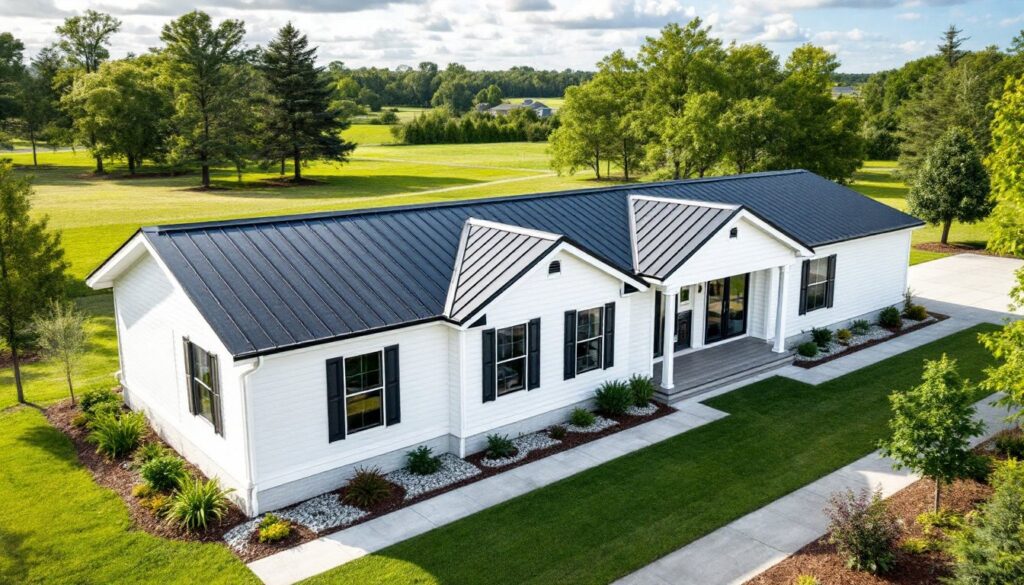
Triple wide homes are built using three separate sections transported on their own chassis and bolted together on-site, creating a single unified structure. This configuration yields roughly 1,800–2,500+ square feet of living space, comparable to a modest traditional home, with a 5 bedroom layout that actually functions well. Unlike their smaller counterparts, luxury models prioritize open floor plans, soaring ceilings, and uninterrupted sight lines that make the interior feel spacious and light-filled.
The construction quality matters most here. Luxury manufacturers use reinforced steel frames, higher-grade insulation (often R-15 to R-21 in exterior walls), and metal roofing with extended warranties instead of standard asphalt shingles. Interior finishes typically include real hardwoods (oak, hickory, or engineered veneers), granite or quartz countertops, and stainless steel appliances as standard, not upgrades. These homes often feature energy-efficient HVAC systems, dual-pane vinyl windows, and LED lighting throughout, features that directly impact your monthly utility costs and long-term comfort.
When you shop Modern Luxury Homes: Discover what today’s high-end options deliver, you’ll notice luxury triple wides emphasize sustainability and smart-home readiness too. Some models come pre-wired for home automation, with structured cabling for internet, security, and climate control integration.
Key Features and Design Elements of 5 Bedroom Models
Interior Layout and Space Optimization
The defining strength of a 5 bedroom triple wide is the flexibility of its floor plan. Unlike single or double wide homes where bedrooms feel cramped and hallways narrow, luxury triple wides allocate space intelligently. You’ll typically find a master suite with ensuite bathroom and walk-in closet, three additional full-size bedrooms (each with at least a 10×12 footprint), and a fifth bedroom or den that can serve as an office, hobby space, or guest room.
The living area usually spans an open-concept kitchen, dining room, and family room, a layout that maximizes functionality while maintaining the illusion of unlimited square footage. High ceilings (9–10 feet in central living areas) enhance this perception significantly. Storage is built in purposefully: pantries with pull-out shelving, bedroom closets with dual-track systems, and utility closets that actually fit a water heater and HVAC equipment without monopolizing square footage.
Flow is critical. Quality manufacturers route plumbing and electrical runs efficiently so that bathrooms align with bedrooms and the kitchen anchors the home’s core. You won’t find the stubby hallways and awkward traffic patterns common in lower-priced manufactured homes.
High-End Materials and Finishes
Where luxury triple wides justify their premium price is in the details. Countertops are granite, quartz, or engineered stone, not laminate, with full-height backsplashes in subway tile, glass, or stone. Flooring blends real hardwood in main living areas (engineered wood is fine for moisture-prone zones like kitchens and bathrooms) with luxury vinyl plank or ceramic tile in secondary spaces. Baseboards, trim, and crown molding are solid wood, not plastic-clad MDF.
Appliances come from brands like Whirlpool, Samsung, or LG, not builder-grade no-names. Faucets feature ceramic cartridges and solid brass construction rather than plastic internals. Lighting fixtures include LED downlights in kitchens, pendant lighting over islands, and dimmers on main circuits.
Bathrooms are where you’ll see the biggest quality leap. Luxury models spec ceramic or porcelain tile with heated floors, frameless glass shower enclosures, and vanities with soft-close drawers and real stone tops. The master bath often includes a separate soaking tub and walk-in shower, while guest baths cover the essentials without excess.
Interior paint is premium-grade (typically semi-gloss or eggshell) applied over properly primed drywall, and all cabinet hardware is stainless steel or brushed nickel, small touches that compound into a cohesive, lasting aesthetic. If you’re considering Explore Exquisite Luxury Homes for comparison, you’ll find the material standards in today’s top-tier manufactured homes rival traditional site-built homes in the same price range.
Cost Considerations and Financing Options
A luxury 5 bedroom triple wide typically ranges from $80,000 to $150,000+, depending on finishes, customization, location, and the manufacturer’s brand reputation. This is dramatically cheaper than a comparably-sized traditional home in most U.S. markets (which could easily top $250,000), but it’s a significant investment that deserves clear-eyed financial planning.
Break down the cost into three buckets: the home itself, site preparation and delivery, and long-term financing. The manufacturer’s base price usually covers the structure, standard finishes, and delivery to your property line. Site work, land clearing, grading, electrical hookups, septic or sewer connections, and concrete pads, can add $10,000 to $25,000 depending on your existing infrastructure. Final delivery and installation (bolting sections together, roof sealing, skirting installation) typically runs $3,000 to $8,000.
Financing differs from traditional mortgages. Banks offer chattel loans (secured against the mobile home as personal property) or land/chattel combo loans if you own land outright. Chattel loans often carry higher interest rates (5–8%) than conventional mortgages and shorter terms (10–15 years), which means higher monthly payments. If you own the land free and clear, a land/chattel combo loan can be more favorable. If you’re financing both land and home, expect rates closer to traditional mortgages (4–6%), though terms and down payment requirements vary widely.
FHA loans are available for some manufactured homes if the structure meets specific criteria, but not all luxury models qualify. Check with your lender early: pre-approval changes everything about which models you can realistically afford.
Property taxes and insurance also differ from stick-built homes. Some states assess manufactured homes as personal property (higher tax rate), while others apply real property rates (lower, like traditional homes). Insurance is typically 15–25% cheaper than site-built homes due to lower replacement value, but coverage and deductibles vary. Research your state’s tax and insurance climate before committing: this can shift your total cost of ownership significantly.
Site Preparation and Installation Best Practices
Installing a luxury triple wide correctly is non-negotiable. A sloppy setup can lead to uneven settling, water intrusion, roof leaks, and structural stress that voids warranties and costs thousands to remedy. This is not a DIY project: hire licensed installers with documented experience in triple wide placement.
Before delivery, your site must be ready. The foundation should be level within 1/8 inch per 10 feet, manufacturers spec this strictly. Use concrete pads, adjustable pedestals, or a full perimeter foundation depending on your climate and the home’s intended permanence. In frost-prone zones, foundation pilings must extend below the frost line (typically 3–4 feet in northern climates). Consult local building codes: many jurisdictions require a licensed surveyor to certify foundation specs.
Electrical service is a second critical element. A luxury 5 bedroom home draws 150–200 amps, so your site must have a service-rated 200-amp panel or equivalent. This requires a licensed electrician and a final inspection by your local building department. Don’t skimp here: undersized service will trip breakers constantly and can damage appliances.
Water and waste systems depend on local code. If you’re connecting to municipal water and sewer, the connection points must be clearly marked and accessible. If you’re using a well and septic, schedule a percolation test and soil survey months in advance, these can reveal dealbreaker site conditions early.
Delivery logistics matter too. The transport company needs clear access roads (at least 10 feet wide), power lines trimmed or temporarily relocated, and firm ground (not soggy earth). Coordinate with the site prep contractor, the delivery company, and the installation crew so they’re not tripping over each other. The whole process, from cleared lot to move-in-ready, typically takes 4–8 weeks if everything goes smoothly.
After installation, hire an inspector (separate from the manufacturer’s inspector) to verify all systems are operational. Check for roof leaks, window seals, and foundation settling before you sign off on the final walkthrough. This is your only window to catch defects under warranty.
Maintenance and Long-Term Care for Your Investment
Owning a luxury triple wide demands more consistent maintenance than most homeowners expect. The good news is that preventive care is straightforward and affordable: neglect, but, compounds into expensive repairs.
Exterior maintenance is your top priority. Check the roof twice yearly (spring and fall) for debris, algae growth, or missing sealant at seams. Metal roofing lasts 40–50 years if kept clean: standard asphalt shingles last 15–20 years. Inspect the skirting (the barrier between the undercarriage and ground) for damage or gaps: rodents exploit any opening. If your home sits on a perimeter foundation, check for standing water or drainage issues.
Caulking and weatherstripping need attention annually. The seams where roof and walls meet, around windows, and at the main section joints expand and contract seasonally. Re-caulk with exterior-grade silicone (not paintable acrylic) every 2–3 years to keep water out. This is a weekend task with a caulking gun and costs under $50.
Interior systems require seasonal checks too. Flush your water heater annually to remove sediment (or hire a plumber for $100–150). Check your HVAC filter monthly during heating and cooling seasons: clogged filters reduce efficiency and lifespan. Seal leaks around plumbing penetrations to prevent mold.
If you’re unfamiliar with basic maintenance, resources like Mobile Home Maintenance: Transform Your Space provide step-by-step guidance on routine tasks. Annual professional HVAC service (around $150) and periodic roof inspections ($200–400) are investments that prevent five-figure emergencies.
One often-overlooked item: the undercarriage. Have a professional inspect the frame, wiring, and plumbing underneath every 3–5 years, especially in climates with high humidity or salt exposure (coastal regions). Corrosion and rodent damage can hide until they’re catastrophic.