Table of Contents
ToggleHell’s Kitchen has transformed from a gritty industrial district into one of Manhattan’s most coveted neighborhoods for luxury living. Spanning from 34th to 59th Street on the West Side, this vibrant area combines world-class dining, cutting-edge theaters, and sophisticated cultural venues with sleek modern architecture and high-end residential developments. For homeowners and design enthusiasts seeking premium apartments in the heart of New York City, Hell’s Kitchen offers unmatched access to urban amenities, investment potential, and that intangible New York energy. Whether you’re drawn to contemporary penthouses with sweeping Hudson River views or meticulously renovated brownstone conversions, understanding what makes Hell’s Kitchen apartments stand out, and how to evaluate them, is essential before making such a significant commitment.
Key Takeaways
- Hell’s Kitchen has transformed from a gritty industrial district into one of Manhattan’s most coveted neighborhoods, offering luxury apartments that range from $2.5 million to $10+ million with premium finishes and modern amenities.
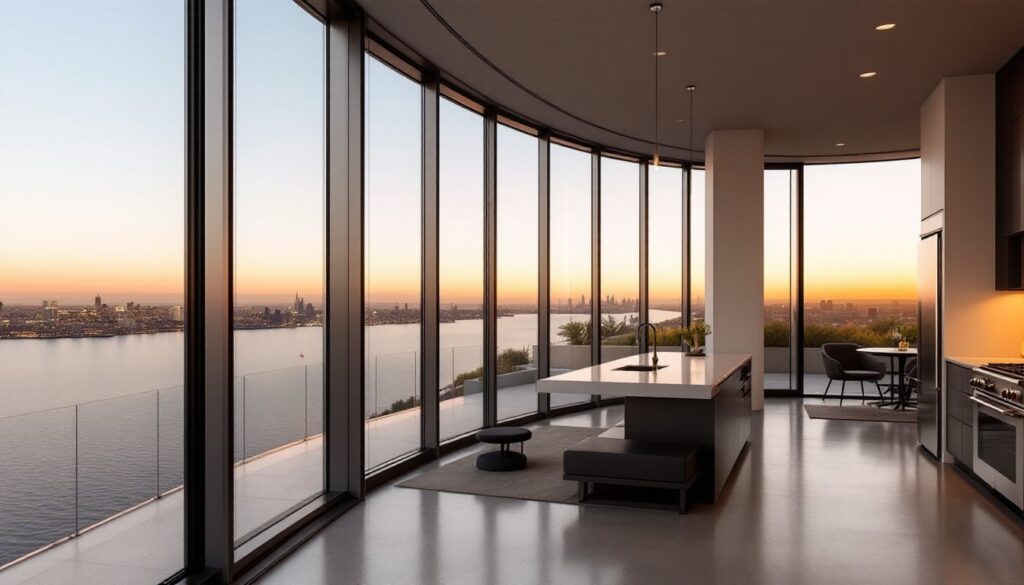
- Luxury apartments in Hell’s Kitchen feature floor-to-ceiling windows, open floor plans with 10- to 12-foot ceilings, marble bathrooms, and smart home integration including app-controlled lighting, climate, and security systems.
- The neighborhood combines world-class dining with Michelin-starred restaurants, Broadway theaters, Hudson River Park access, and proximity to the High Line, creating exceptional lifestyle appeal for discerning residents.
- Hell’s Kitchen has appreciated significantly with price per square foot climbing from approximately $1,200 in 2010 to $2,500+ in 2024, driven by genuine neighborhood transformation and strong rental potential.
- Evaluate luxury Hell’s Kitchen apartments by assessing view orientation, building finances and reserves, professional home inspections, and comparable sales data from the past 3-6 months before making your investment.
What Makes Hell’s Kitchen A Premier Luxury Destination
Hell’s Kitchen earned its name from the neighborhood’s rough reputation in the 1980s, but that gritty past now adds authenticity and character that investors and residents prize. The area has undergone a dramatic revitalization, particularly along Ninth and Tenth Avenues, where luxury condos and high-rise apartments now dominate the skyline.
The neighborhood’s appeal stems from several converging factors. First, it’s a genuine mixed-use district, not a sterile commercial pocket. Broadway theaters cluster nearby, Michelin-starred restaurants operate on nearly every block, and indie galleries sit alongside high-end retail. Second, Hell’s Kitchen sits at a premium price point but remains more accessible than comparable Tribeca or Upper East Side addresses. Third, the West Side Highway waterfront and adjacent parks offer green space and recreational corridors unusual for Manhattan.
For design-conscious residents, Hell’s Kitchen represents authentic urban living with modern convenience. The neighborhood attracts creative professionals, executives, and empty-nesters who value walkability and cultural vibrancy over doorman service alone.
Key Features Of High-End Hell’s Kitchen Apartments
Luxury apartments in Hell’s Kitchen typically range from 1,500 to 4,500 square feet for two- to four-bedroom units, with penthouses exceeding that footprint. These residences command premium prices, often $2.5 million to $10+ million, reflecting location, finishes, and building amenities.
Most high-end Hell’s Kitchen apartments showcase floor-to-ceiling windows, open floor plans with 10- to 12-foot ceilings, and premium hardwood or polished concrete flooring. Kitchens feature custom cabinetry, Miele or Sub-Zero appliances, marble or quartzite countertops, and often gas ranges or induction cooktops. Bathrooms include heated marble floors, steam showers, and freestanding soaking tubs in primary suites.
Modern Amenities And Smart Home Integration
Contemporary luxury buildings in Hell’s Kitchen incorporate building-wide smart home systems allowing residents to control lighting, climate, and security from tablets or smartphones. Rooftop terraces with grilling areas and lounges are standard: some developments feature heated infinity pools, private yoga studios, and wine cellars.
Building lobbies feel like five-star hotels, with 24/7 concierge services, valet parking, climate-controlled wine storage, and sometimes private car services. Security includes keycard access, surveillance systems, and armed guards. These amenities justify the premium pricing and appeal to executives prioritizing convenience and privacy.
Smart locks, integrated sound systems, and app-controlled thermostats are increasingly standard, not luxuries. When evaluating an apartment, confirm whether smart systems are included in your purchase or represent additional costs, integration varies by building.
Neighborhood Highlights And Lifestyle Appeal
Dining defines Hell’s Kitchen. The neighborhood hosts restaurants ranging from Michelin-starred fine dining (such as Hells Kitchen by Gordon Ramsay on the West Side) to beloved casual spots and international cuisines. This density of quality restaurants means residents rarely need to travel far for extraordinary meals.
Theater and performance venues cluster nearby. The subway access (A, C, E lines on Eighth Avenue: L line at 14th Street) connects residents to the broader city quickly, though Hell’s Kitchen’s density means many residents walk to entertainment and dining.
Recreational amenities include Hudson River Park, offering running trails, basketball courts, and waterfront access just blocks from most luxury apartments. The High Line elevated park, stretching through Chelsea, sits at the southern edge and provides green space and cultural programming. Recent design trends in luxury apartment interiors emphasize how Hell’s Kitchen’s energy and artistic heritage influence how residents personalize their spaces.
The neighborhood feels dynamic without being chaotic. Young professionals, creative workers, established families, and empty-nesters coexist comfortably. Unlike some Manhattan neighborhoods where single demographics dominate, Hell’s Kitchen maintains genuine diversity in age, profession, and lifestyle, a quality many luxury apartment buyers specifically seek.
Investment Potential And Property Values
Hell’s Kitchen has appreciated significantly over the past 15 years, with average price per square foot climbing from roughly $1,200 in 2010 to $2,500+ in 2024. New luxury developments continue to break ground, suggesting ongoing demand and potential appreciation.
Unlike speculative markets, Hell’s Kitchen’s gains reflect genuine neighborhood transformation, new restaurants, cultural institutions, and residential investment creating a self-reinforcing cycle. Building-to-building variation matters significantly. Newer high-rises with premium amenities and efficient floor plans command higher per-square-foot prices than older walk-ups or conversions, even on the same block.
Investment considerations include rental potential. Manhattan luxury apartments attract corporate temporary housing, vacation rentals (where permitted), and long-term tenants. Hell’s Kitchen’s neighborhood draw means apartments rent relatively quickly compared to outer boroughs or less vibrant neighborhoods. Consult local real estate professionals about rental income projections: they vary based on exact location, unit condition, and lease terms.
Build quality and developer reputation influence resale value. A well-capitalized developer with a track record of maintaining properties and providing reliable services adds confidence that your investment will hold and appreciate. Newer developments with strong sales histories generally show more predictable appreciation curves than conversion projects or buildings with infrastructure challenges.
How To Choose Your Ideal Luxury Hell’s Kitchen Apartment
Start by identifying priorities: view orientation (Hudson River views command premiums of 15-25%), floor level (higher floors typically cost more but may lack street energy some residents enjoy), and specific block location. Proximity to your commute destination, favorite restaurants, or parks matters more than abstract rankings.
Request a professional home inspection even for new buildings, major systems, HVAC efficiency, and soundproofing quality vary. Newer developments are generally sound, but older conversions occasionally hide structural or mechanical issues masked by beautiful finishes. An experienced inspector familiar with New York City residential buildings provides crucial perspective.
Review building finances carefully. Request the offering plan (for condos) or lease terms (for co-ops), including monthly maintenance fees, special assessments, and reserve funding. A well-maintained building with adequate reserves will preserve your investment: one with deferred maintenance or inadequate capital reserves becomes a liability.
Comparable market analysis is essential. Current luxury home design resources and contemporary interior design inspiration can guide aesthetic decisions, but pricing requires data. Review similar units sold in your building or nearby in the past 3-6 months, per-square-foot pricing, time on market, and days-to-close all signal market health.
Final step: live with your choice for 48 hours if possible. Spend a full day and evening in the apartment and immediate neighborhood. Walk streets at different times, visit your anticipated commute route, and eat at a local restaurant. Luxury apartments are substantial investments: ensuring the lifestyle and location match your actual preferences prevents expensive post-purchase regret.
Conclusion
Hell’s Kitchen has matured into a genuinely premier Manhattan neighborhood offering authentic urban living, cultural richness, and sound investment fundamentals. Luxury apartments here provide exceptional lifestyle access while representing meaningful value compared to adjacent neighborhoods. Thorough research, professional guidance, and honest self-assessment about your priorities ensure you make a choice you’ll enjoy for years to come.