Table of Contents
ToggleA luxury kitchen isn’t just a place to cook, it’s the heart of a high-end home, where design, function, and craftsmanship converge. But creating one requires more than picking granite countertops and stainless-steel appliances. That’s where a luxury kitchen designer comes in. These professionals bridge the gap between your vision and reality, managing everything from spatial planning to sourcing bespoke materials and coordinating with specialized contractors. If you’re investing serious money into a kitchen renovation, knowing how to find, vet, and work with the right designer can mean the difference between a beautiful space and one that truly reflects your lifestyle and home’s value. This guide walks you through the entire process of hiring a luxury kitchen designer in 2026.
Key Takeaways
- A luxury kitchen designer manages the entire project from spatial planning to procurement and contractor coordination, ensuring your vision translates into a functional, high-end space that reflects your lifestyle.
- When vetting a luxury kitchen designer, prioritize portfolio quality, industry credentials like NKBA or ASID certification, client references, and their ability to articulate strategic design decisions rather than focusing solely on price.
- The luxury kitchen design process typically spans 6–12 months and includes five phases: discovery and planning, conceptual design, design development, procurement and contractor coordination, and installation—allowing for major revisions early when changes cost less.
- Red flags when hiring include vagueness about costs, reluctance to provide references, dismissing your input, or failure to provide a detailed proposal outlining scope, timeline, and deliverables.
- Luxury kitchen designers typically charge $100–$300+ per hour, flat design fees, or 10–20% of the total project cost—choose based on value and expertise rather than the lowest bid to avoid costly mistakes.
What a Luxury Kitchen Designer Does
A luxury kitchen designer is far more than an interior decorator. These professionals are project leads who combine spatial design, material expertise, and vendor relationships to execute high-end kitchens from concept to completion.
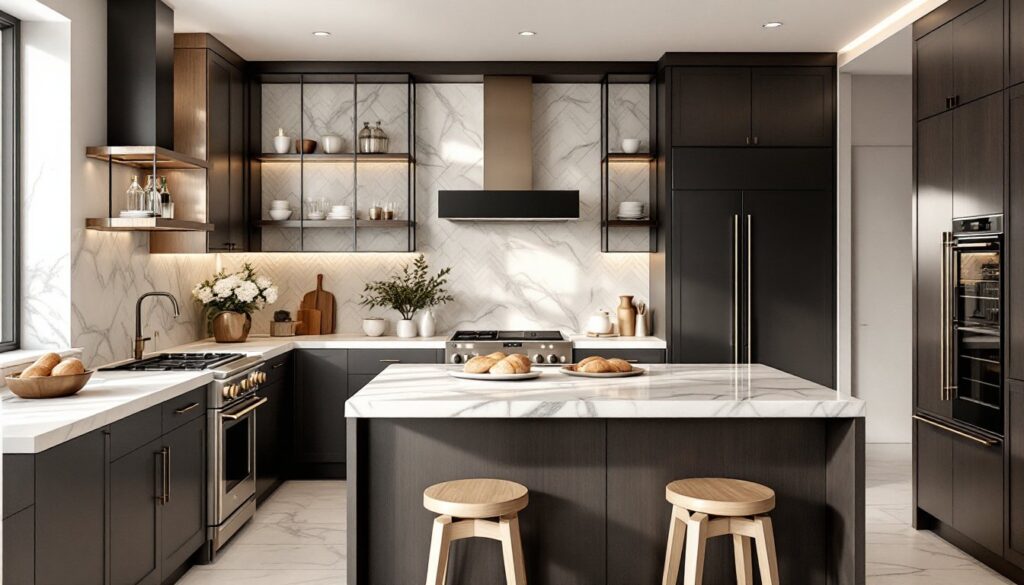
Their core responsibilities include assessing your space and needs through detailed consultations, creating detailed floor plans and 3D renderings so you see the final layout before construction begins, specifying materials, everything from custom cabinetry and countertops to lighting and hardware. They source high-end appliances, select finishes that age beautifully, and ensure everything aligns with your aesthetic and functional goals.
Beyond design, they manage timelines, budgets, and contractor coordination. They liaison with electricians, plumbers, cabinetmakers, and installation teams to ensure quality control and prevent the costly mistakes that derail projects. They also navigate building codes, permits, and structural considerations, critical for kitchens, where ventilation, electrical load, and plumbing placement are non-negotiable.
Some luxury kitchen designers also handle procurement, negotiating directly with manufacturers and distributors to source custom pieces, rare materials, or bespoke finishes. They troubleshoot mid-project changes and ensure the kitchen functions as intended once it’s finished. In essence, they’re your expert advocate in a complex, specialized field.
Key Qualities to Look For in a Luxury Kitchen Designer
Not all kitchen designers are created equal. When vetting candidates, focus on these essential qualities:
Portfolio and Experience
Review their past work closely. A strong portfolio shows consistency in design quality, attention to detail, and the ability to handle projects at the scale and style you’re pursuing. Ask how many luxury kitchens they’ve designed, experience with high-end materials, custom cabinetry, and complex layouts matters. Look for projects similar to yours in scope, style, and budget range.
Don’t just look at glossy photos. Ask about the actual process: How did they solve spatial constraints? What materials did they choose and why? How did they manage the budget? A designer who can articulate their reasoning is one who thinks strategically, not just aesthetically.
Ask for references from past clients, especially those within the last 2–3 years. Speaking directly with homeowners about their experience, timeline, and final satisfaction reveals whether the designer is reliable, communicates clearly, and delivers on promises.
Credentials and Industry Knowledge
Look for formal training in interior design, architecture, or kitchen design. Many luxury kitchen designers hold degrees from accredited design schools or certifications from organizations like the National Kitchen & Bath Association (NKBA). These credentials indicate foundational knowledge of building codes, ergonomics, and design principles.
Industry affiliations matter too. Membership in the NKBA or the American Society of Interior Designers (ASID) signals ongoing education and adherence to professional standards. Some designers also pursue specialized certifications in sustainable design, lighting design, or specific software platforms.
Beyond credentials, seek someone who stays current with trends, materials, and technology. The luxury kitchen market evolves rapidly, smart appliances, sustainable materials, and innovative storage solutions emerge constantly. A designer who invests in continuing education and vendor relationships stays ahead of what’s possible.
How to Find and Vet Luxury Kitchen Designers
Start by asking your real estate agent, architect, or contractor for referrals. These professionals work closely with designers and can recommend those with strong reputations and reliable execution. Many luxury real estate agents have extensive networks in high-end home design and can point you toward proven talent.
Online research is equally important. Review portfolios on design websites, Instagram, and the designers’ own sites. Check Google reviews and Houzz ratings, but take them with a grain of salt, luxury clients often have high expectations, and feedback can be colored by budget disputes or scope changes.
Interview 3–5 candidates. Ask about their design process, how they handle budget overruns, their timeline expectations, and how they manage client communication. Red flags include vagueness about costs, reluctance to provide references, or dismissing your input as “amateur.”
Discuss fees upfront. Luxury kitchen designers typically charge hourly rates ($100–$300+ per hour), flat fees for design packages, or a percentage of the overall project cost (usually 10–20%). Understand what’s included: Do they source materials? Manage contractors? Provide post-installation support? Don’t choose based on price alone, the cheapest designer often isn’t the best value for a high-end project.
Once you’ve narrowed it down, ask for a detailed proposal that outlines scope, timeline, fees, and deliverables. A professional designer provides clarity upfront, reducing surprises later.
The Design Process and What to Expect
Understanding the typical luxury kitchen design process helps you manage expectations and timelines.
Discovery and Planning (2–4 weeks). The designer starts by deeply understanding your needs, lifestyle, aesthetic preferences, and budget. They measure your space precisely, assess existing infrastructure (plumbing, electrical, ventilation), and identify constraints or opportunities. This phase often includes mood boards, material samples, and preliminary sketches.
Conceptual Design (3–6 weeks). The designer develops 2–3 design directions with floor plans, elevations, and 3D renderings. You’ll see layout options, cabinetry styles, material selections, and appliance placements. This is the phase for major revisions, changing the layout of appliances or reconfiguring the layout costs far less now than mid-construction.
Design Development and Specification (4–8 weeks). Once you approve a direction, the designer creates detailed construction documents, specifying every product, finish, dimension, and installation detail. They finalize material selections, coordinate with contractors, and address building code compliance. Luxury kitchens often involve custom elements, bespoke cabinetry, imported tile, or specialized lighting, that require longer lead times.
Procurement and Contractor Coordination (8–16 weeks, often parallel to construction). The designer sources and orders materials, manages delivery schedules, and vets contractors. Communication with your general contractor or electrician/plumber ensures installation quality and timelines stay on track.
Installation and Finishing (8–12 weeks, depending on complexity). Construction occurs on-site. The designer makes site visits to ensure quality, troubleshoot issues, and verify materials match specifications. Once cabinetry and appliances are installed, finishes like lighting, hardware, and accessories are added.
Project Closeout (1–2 weeks). The designer conducts a final walkthrough, verifies all elements are complete and functional, and handles any punch-list items. Some designers also provide a binder with product manuals, warranty information, and care instructions.
The entire process typically takes 6–12 months for a luxury kitchen, depending on complexity and custom elements. Kitchens featuring modern luxury homes often involve integrated smart-home technology, custom millwork, and finishes that require specialized sourcing. Luxury home listings showcase examples of polished, high-end kitchens where this meticulous process is evident in every detail.
For inspiration on luxury kitchen aesthetics, resources like Elle Décor’s curated collection of the most beautiful luxury kitchens and Remodelista’s sophisticated kitchen designs showcase what careful design and execution produce.
Conclusion
Hiring a luxury kitchen designer is a significant investment, but it’s also insurance against costly mistakes and delays. The right designer brings expertise, vendor relationships, and problem-solving skills that justify their fee. Prioritize portfolio quality, industry credentials, clear communication, and a detailed proposal. Start your search early, lead times for custom materials and skilled contractors are longer than ever. With the right partner, your luxury kitchen will be both beautiful and functional for decades to come.