Table of Contents
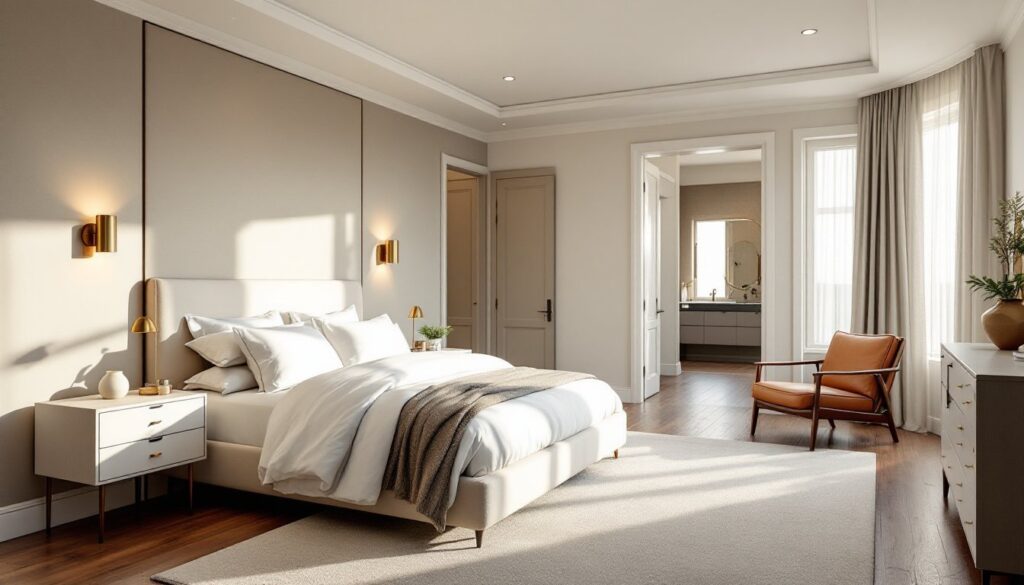
ToggleA luxury master bedroom isn’t just a place to sleep, it’s your private sanctuary, a retreat from the world where comfort meets elegance. Whether you’re renovating an existing space or building from scratch, planning a master bedroom that reflects both your lifestyle and aesthetic preferences requires thoughtful strategy. This guide walks you through the essential steps to design a space that balances high-end finishes, smart functionality, and authentic personal style. From layout and color selection to material choices and modern conveniences, you’ll find the practical framework to make your luxury master bedroom plan a reality.
Key Takeaways
- A successful luxury master bedroom plan begins with defining your personal style and vision rather than chasing trends, using anchor words like ‘serene’ or ‘modern’ to guide design decisions.
- Strategic layout and space planning—including proper furniture placement with 2–3 feet of clearance around the bed and clear circulation paths—transforms even smaller master bedrooms into functional luxury spaces.
- Layered lighting with ambient, task, and accent layers using warm color temperature bulbs (2700K) is essential to creating the luxurious ambiance that hallmarks high-end master bedrooms.
- Investing in quality materials like 500+ thread-count Egyptian cotton sheets, hardwood flooring, and premium hardware creates a refined feel that justifies the higher cost.
- Integrating modern conveniences such as smart lighting, hidden charging stations, and acoustic solutions enhances daily comfort and property value without cluttering your sanctuary design.
Define Your Luxury Style And Vision
Before selecting a single piece of furniture or color, clarify what luxury means to you. For some, it’s minimalist and contemporary: for others, it’s classic and ornate. Spend time collecting inspiration, images, fabric swatches, finishes, that resonate with your aesthetic. Write down three words that describe your ideal bedroom: moody, airy, opulent, serene, modern, eclectic. These anchor your decisions when you’re comparing options.
Consider how your master bedroom fits into the larger home narrative. Does it reflect your home’s existing architecture, or is it a deliberate departure? Many homeowners struggle because they chase trends instead of their own preferences. A successful luxury bedroom feels timeless and intentional, not dated or like a magazine spread that someone else designed. Look at modern luxury homes for inspiration on how cohesive design flows through high-end spaces.
Think about the activities that will happen in the room beyond sleeping. Do you want a reading nook? A vanity? A workspace? A seating area for conversation? These program decisions shape everything else. Write a brief functional wishlist before you sketch anything.
Layout And Space Planning Essentials
Your room’s dimensions dictate what’s possible. Measure the length, width, and height, then note doors, windows, closets, and architectural features like angled ceilings or built-ins. Standard master bedrooms range from 200 to 400 square feet: anything under 180 square feet is tight for true luxury feel, while 400+ allows generous breathing room.
Start by identifying the focal point, usually the bed, but sometimes a fireplace or large window. Orient the bed so you see the entrance when lying down (a feng shui principle many people find intuitive). Avoid placing the bed directly opposite the door, as it can feel exposed.
Furniture Placement And Flow
Arrange furniture to create clear circulation paths. You should be able to walk around the bed without shuffling sideways. In rooms under 250 square feet, a nightstand on each side of the bed and a compact dresser might be your only other major pieces: anything more crowds the space. Larger bedrooms support seating, a bench at the foot of the bed, two accent chairs facing each other, or a low sofa against a wall without blocking windows.
Leave at least 2 feet of open floor on each side of the bed and 3 feet at the foot for proportional comfort. Heavy furniture should hug walls: floating furniture in the middle of the room fragments small spaces. If your closet is undersized, a low dresser or storage chest against a wall adds function without visual clutter. Test your layout with painter’s tape on the floor before committing to purchases.
Color Palettes And Lighting Design
A luxury bedroom typically uses a restrained color story: a dominant neutral (white, beige, soft gray, warm taupe) paired with one or two accent colors. Neutrals make the room feel larger and provide a calm baseline: accents appear in pillows, artwork, or a single accent wall. Avoid more than three dominant colors unless you’re very confident in your eye.
Lighting transforms a bedroom from functional to luxurious. You need three layers: ambient (overhead or recessed), task (bedside lamps, vanity lights), and accent (wall sconces, strip lighting behind headboards). Dimmer switches on ambient light let you shift mood from bright morning to relaxing evening.
Bedside sconces or reading lamps should be positioned 24 to 30 inches from the center of the bed and installed at eye height when sitting propped up, roughly 48 to 60 inches from the floor. Overhead recessed lighting should be positioned away from the bed centerline to avoid glare. Consider warm color temperature bulbs (2700K) rather than cool (4000K+) for bedrooms: warm light promotes relaxation. Smart bulbs that adjust intensity and color temperature add flexibility without visible switches cluttering your design. Research from designer inspiration galleries shows that layered lighting is a hallmark of high-end master bedrooms.
High-End Materials And Finishes
Luxury lives in details. Swap builder-grade fixtures and finishes for materials that feel and perform better. For flooring, consider hardwood (oak, walnut, or white oak in 3-inch width for a modern look), wide-plank engineered wood, or porcelain tile that mimics natural stone. Skip wall-to-wall carpet in favor of a quality area rug over hardwood: it’s easier to refresh and feels more upscale.
Wall finishes matter. Use quality interior paint (not discount flat paint) in satin or eggshell finish, these hide imperfections better than flat and are washable. Textured wallpaper, shiplap, or paneling adds depth: keep it subtle unless you’re creating a dramatic accent wall. Shiplap should be real wood or high-quality printed veneer, not thin plastic-looking sheets.
Bedding is the centerpiece. Invest in at least 500-thread-count Egyptian cotton sheets (higher thread count doesn’t always equal better quality, but 500+ in good cotton is noticeable). Pair with a quality duvet insert filled with down or down-alternative. Pillow shams, a decorative throw, and layered pillows create visual richness without excess cost. Professional hotels use simple, uniform pillow arrangements for a reason, it reads luxurious.
Hardware, light fixtures, and faucets should coordinate but not match. Bronze, nickel, or matte black are safer choices than shiny chrome or gold. Doorknobs, hinges, and drawer pulls should feel solid in hand, not flimsy. Window treatments anchor the space: quality drapes in natural linen or linen blend hung from ceiling to floor make any window feel expensive. Sheer inner curtains diffuse harsh light while maintaining privacy. Furniture hardware like drawer pulls and knobs should be consistent across pieces to feel intentional.
Smart Features And Modern Conveniences
A modern luxury bedroom integrates technology seamlessly. Smart lighting that responds to voice commands or smartphone apps lets you adjust ambiance without leaving bed. Smart thermostats maintain your ideal temperature automatically, luxury is feeling comfortable without thinking about the mechanics.
Consider built-in charging stations in or near nightstands (USB outlets or wireless charging pads embedded in surfaces). A premium Wi-Fi system that reaches every corner prevents frustration. If you work from your bedroom, a discreet desk with cable management keeps cords hidden and the space uncluttered.
Sound control matters. Acoustic panels integrated into artwork, heavy drapes, and carpeting absorb noise: if your room is above a garage or near a street, consider soundproofing windows (upgraded dual-pane or triple-pane windows, or acoustic window inserts). A white noise machine or smart speaker playing ambient sounds masks external noise without feeling gimmicky.
High-end finishes like heated floors, a steam shower or rain showerhead in an ensuite bathroom, or a built-in beverage cooler elevate daily rituals. These don’t have to be installed during initial construction, many can be added later. Luxury home ownership articles often highlight how these conveniences contribute to long-term satisfaction and property value.
Conclusion
Designing a luxury master bedroom is a deliberate process that balances vision, function, and material quality. Start by clarifying your personal style, then plan your layout to maximize comfort and flow. Layer your lighting, choose a restrained color story, and invest in finishes and materials that feel solid and refined. Weave in modern conveniences that enhance daily life without overwhelming the space. The result won’t be a snapshot from a magazine, it’ll be your sanctuary, authentically designed and genuinely comfortable. Take your time, trust your instincts, and enjoy creating the retreat you deserve.