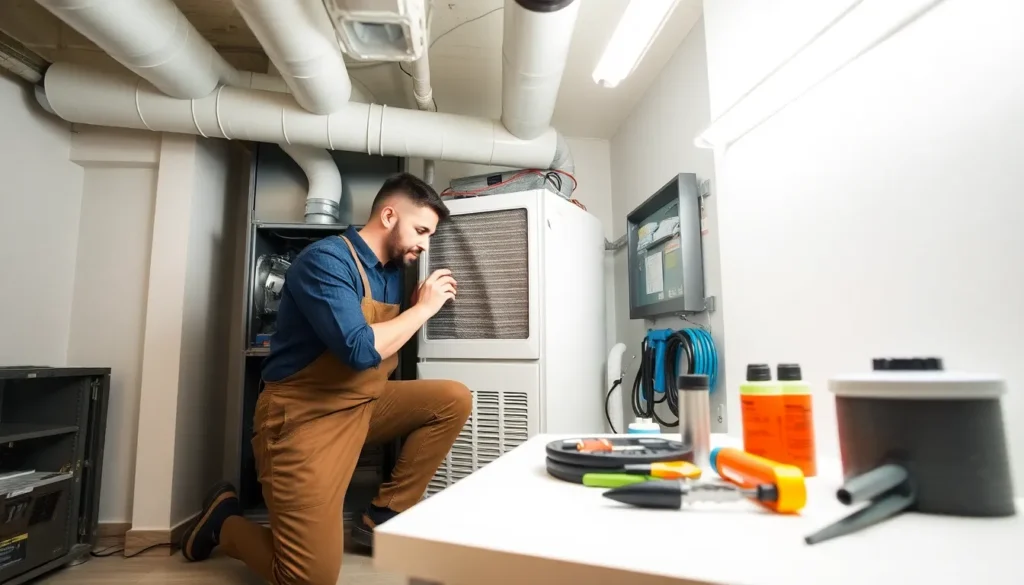
Winter is coming, and the last thing anyone wants is for their furnace to throw a tantrum while it’s snowing outside. Picture this: you’re bundled up in three layers of sweaters, sipping lukewarm cocoa, while your heater decides to take an extended vacation. Yikes. If you want your home to stay warm and cozy during those chilly months, understanding and maintaining your furnace is key. In this text, we’ll cover everything from what makes your furnace tick to essential maintenance tasks that will keep your furnace running like a well-oiled machine. Let’s immerse and make sure your furnace doesn’t leave you out in the cold.
Understanding Your Home Furnace System
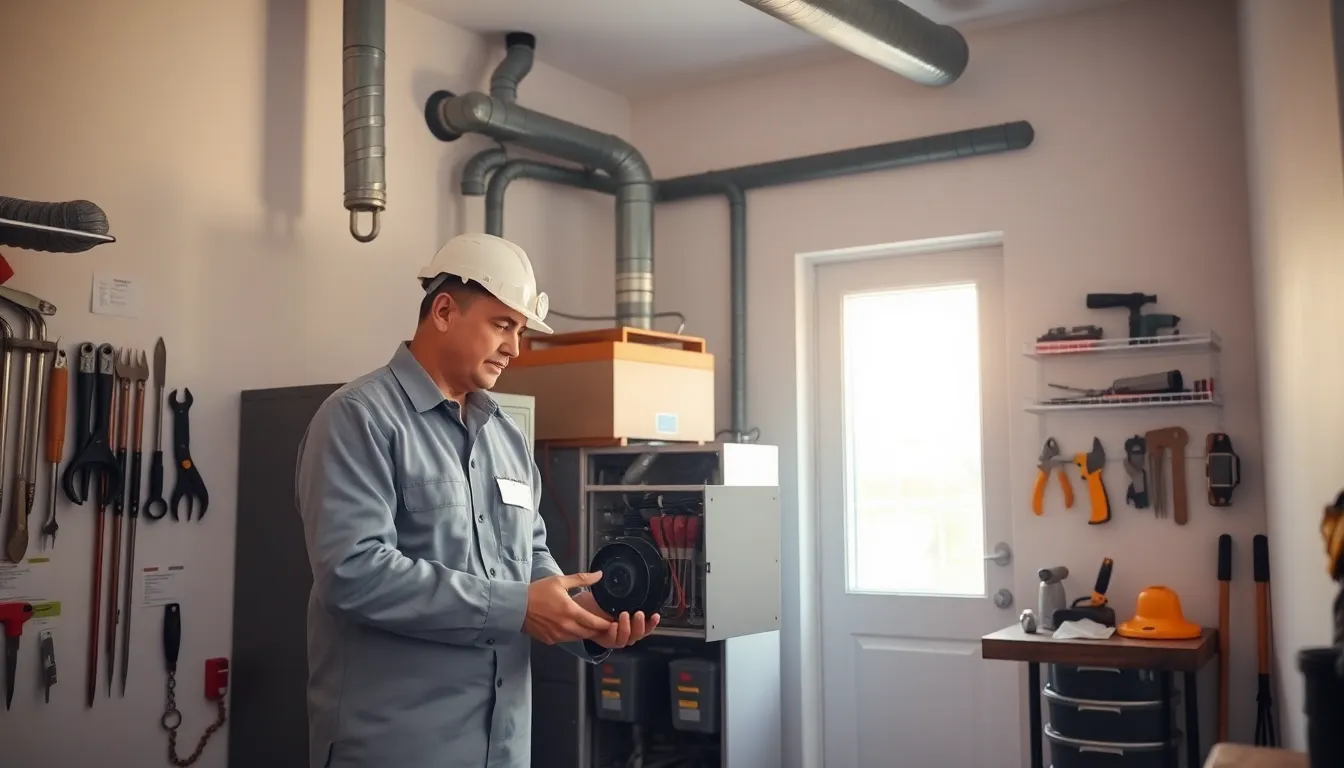
To successfully maintain a furnace, one must first understand how it works. Home furnaces generally operate on a simple principle: they heat air and circulate it throughout the house. Powered by either gas or electricity, these systems may include a variety of components such as the heat exchanger, blower motor, and ductwork.
The heat exchanger’s job is to transfer heat from the combustion process or electrical elements to the air that you breathe. Meanwhile, the blower motor propels the heated air through the ductwork, ensuring that it reaches every nook and cranny of your home.
Taking the time to learn about these vital parts will make it easier to diagnose potential issues and understand why regular maintenance is so crucial.
Importance of Regular Maintenance
Regular maintenance is the unsung hero of furnace performance. Think of it like getting your car serviced, neglecting it can lead to much bigger problems down the road. By investing time and effort in maintenance, homeowners can not only extend the lifespan of their furnace but also improve its efficiency.
A well-maintained furnace can lead to lower energy bills, which can be a welcomed relief during those high-winter months. Also, regular maintenance can help prevent unexpected breakdowns, keeping the family cozy even on the coldest nights. Not to mention, a furnace that operates efficiently is better for the environment, emitting fewer pollutants and conserving energy.
Essential Maintenance Tasks
So, what does maintaining a home furnace entail? Here are some essential maintenance tasks that every homeowner should consider:
- Changing the Air Filter: Dirty filters restrict airflow and can lead to overheating. Aim to check and replace the filter every 1-3 months.
- Cleaning the Ducts: Dusty ducts can circulate allergens and reduce the efficiency of your heating system. Consider having them cleaned every few years.
- Inspecting the Blower and Heat Exchanger: Ensure that these components are functioning properly, as any issues can lead to poor heating or hazardous carbon monoxide leaks.
- Checking Thermostat Settings: Make sure your thermostat is calibrated and functioning as intended.
- Testing Safety Features: Test carbon monoxide detectors and ensure that all safety features on your furnace are operational.
- Scheduling Annual Professional Inspections: A certified technician can perform a thorough inspection and maintenance check, catching issues before they escalate.
Signs Your Furnace Needs Attention
Even the most well-maintained furnaces can sometimes require attention. Here are some common signs that it may be time to call for professional help:
- Strange Noises: Banging, rattling, or squeaking sounds can indicate serious issues.
- Inconsistent Heating: If certain areas in the home feel cold while others are toasty, this may signal a problem with the airflow or ductwork.
- Increased Energy Bills: A sudden spike in your heating costs could imply that your furnace is working harder than it should.
- Yellow Burner Flame: A healthy furnace should have a blue flame. A yellow or flickering flame may indicate a safety hazard due to improper combustion.
- Frequent Cycling On and Off: If your furnace turns on and off more often than usual, it may be struggling to maintain the set temperature.
Professional vs. DIY Maintenance
Homeowners often grapple with the decision to handle furnace maintenance themselves or seek professional assistance. DIY maintenance can save money, but it’s crucial to know your limits. For basic tasks like changing air filters or cleaning vents, many homeowners can manage these without a hitch. But, tasks that involve electrical components or gas lines are best left to the experts.
Hiring a certified technician not only ensures that the job is done correctly but also provides peace of mind. Technicians can identify hidden issues, saving homeowners from potential disasters down the line. In this case, investing in professional services may save more money in the long run.
Tips for Seasonal Preparation
As the seasons change, so should your furnace maintenance routine. Here are some tips for preparing your furnace for winter:
- Run a Pre-Season Check: Before you turn on your heating system for the first time, give it a thorough inspection.
- Clear the Area: Ensure that nothing is blocking vents or airflow paths. This can improve efficiency.
- Inspect the Thermostat: Make sure it functions correctly and is programmed for your preferred heating schedules.
- Test Carbon Monoxide Detectors: These should be in working order to keep your family safe.
- Stock Up on Heating Supplies: Ensure you have spare filters and other necessary items on hand before the cold sets in.