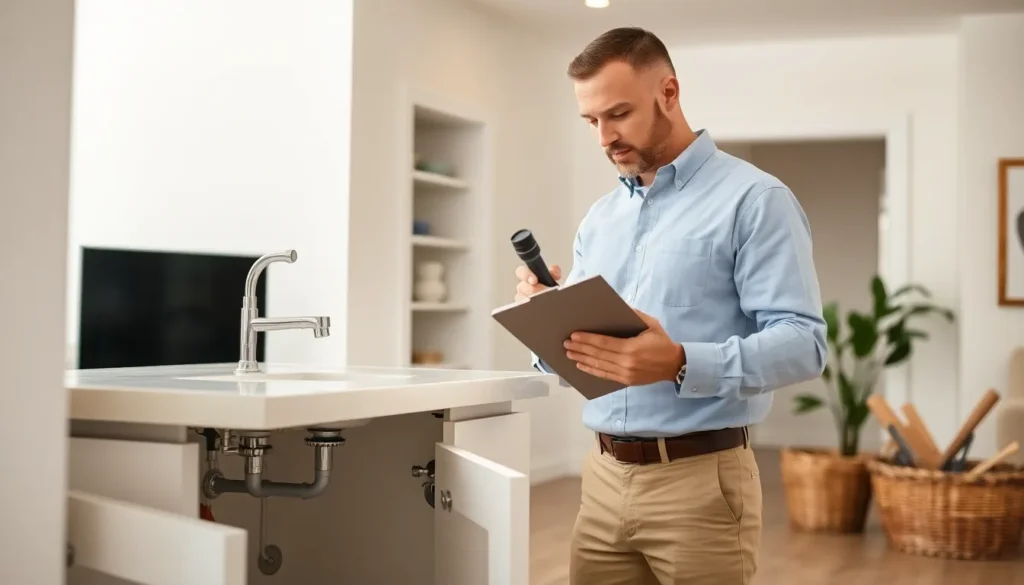
Picture this: you’re snug as a bug in your living room, your favorite socks on, and suddenly you hear a strange creak from the basement. Is it just the house settling, or do you need to fear a horror movie scenario? This is where a home maintenance inspection comes into play. Think of it as a spa day for your house, just with fewer cucumbers and more inspecting. In this comprehensive guide, we’ll investigate into why regular home maintenance inspections are crucial, what to look for, and how to prepare for them. Cozy up: it’s time to ensure your home is in tip-top shape.
Importance Of Home Maintenance Inspections

Regular home maintenance inspections are not just a nice-to-have: they are essential for ensuring the longevity and safety of any property. Homeowners often underestimate the role these inspections play. They can identify minor issues before they morph into costly repairs. Listening to a home inspector is akin to having a seasoned friend who knows all the secrets to maintaining a healthy living space.
Consider the peace of mind that comes with knowing your electrical systems, plumbing, and roofing are in good condition. This is especially important for families with children or elderly relatives. Also, a home maintenance inspection can boost property value, making your house more attractive to potential buyers if you ever decide to sell. After all, who wouldn’t want to purchase a home that’s been well cared for? In short, regular inspections are your ticket to preserving your haven.
Key Areas To Inspect
During a home maintenance inspection, several key areas deserve the spotlight. These include:
Roof and Gutters
The roof shields your home from the elements. Inspect for missing shingles or signs of wear. Properly functioning gutters help redirect rainwater, so don’t forget to check for blockages or damage.
Plumbing
Leaks can cause chaos if left unaddressed. Look for signs of water damage and ensure that pipes and fixtures function properly. Inspect toilets and sinks for leaks and drips.
Electrical System
An outdated electrical system can pose serious risks. Check for frayed wires, tripped circuits, and the age of your breaker panel. It’s better to identify electrical problems during an inspection than after a blackout or, worse, a fire.
Heating and Cooling Systems
Ensure your HVAC system is functioning optimally. Look for odd noises and check filters regularly, neglected systems can become breeding grounds for allergens.
Exterior and Interior Walls
Cracks in walls may signal foundational issues. Inspect both the inside and outside for damage or wear.
Windows and Doors
Ensure all windows and doors open, close, and seal properly. This helps with energy efficiency and reduces heating or cooling costs.
By methodically inspecting these areas, homeowners can proactively manage maintenance and avoid costly repairs.
Preparing For A Home Maintenance Inspection
Preparation is crucial when scheduling a home maintenance inspection. It’s like gearing up for the big game: you want to be ready. Here’s how to do it:
Select a Qualified Inspector
Not every inspector is created equal. Research and select a qualified, reputable inspector. Verify their credentials, experience, and reviews from former clients. Don’t shy away from asking questions about their experience.
Declutter
Make it easier for the inspector to access areas that need checking. Move furniture away from walls, clear the basement of debris, and ensure crawl spaces are accessible. Think of it as giving your home a quick spring cleaning.
Document Changes or Issues
Have you made any renovations or repairs? Document these changes as they can provide context for the inspector. If you’ve noticed any problems, make a note so you can discuss them during the inspection.
Prepare Questions
Don’t hesitate to ask your inspector questions during the process. Prepare specific queries about your home’s condition and maintenance needs. A good inspector will gladly answer all your concerns.
During The Inspection: What To Expect
Knowing what to expect during the inspection can make the process less daunting. Here’s a general overview:
The Walkthrough
The inspector will likely follow a set checklist, covering both the interior and exterior. Expect them to take notes and photos, and they may have a keen eye for details you might miss.
Discussion Period
Your inspector shouldn’t just be a silent observer. They should explain their findings in real time. Prepare for a Q&A session where you can ask about potential issues and solutions.
Final Report
After the inspection, you will receive a detailed report. This often includes photographs and suggestions for repairs or follow-ups. Understand that this document is a snapshot of your home’s condition at this moment.
Post-Inspection: Next Steps
After the inspection, it’s time to take action. Here’s what homeowners should do:
Review the Report
Carefully examine the inspector’s report. Identify areas in significant need of attention and prioritize them based on urgency. Repairing a roof leak is often more pressing than a minor paint job.
Create a Maintenance Plan
Based on the report findings, develop a maintenance plan that outlines tasks to be performed, timelines, and budgets for repairs. This will help you stay organized and on top of things.
Schedule Repairs
Once you’ve prioritized, arrange for any necessary repairs, whether you do it yourself or hire professionals. Keeping your home in good shape will save you money in the long run.
Follow Up
Consider scheduling an annual inspection to ensure that everything remains in good condition. Regular check-ups can help you catch issues before they escalate.
Tips For Regular Home Maintenance
Regular home maintenance doesn’t have to be overwhelming. Here are tips to keep your home in excellent condition throughout the year:
Seasonal Checklists
Create checklists for different seasons, covering tasks like gutter cleaning in the fall and HVAC servicing in the spring. This helps keep your routine organized and your home prepared for changing weather.
Check Smoke Alarms and CO Detectors
Test these devices monthly and replace batteries at least once a year. Safety should always be a top priority.
Maintain Your Lawn and Garden
Don’t neglect your outdoor spaces. Regular landscaping not only beautifies your home but also prevents outdoor issues from affecting your home’s structure.
Inspect Your Home Regularly
Frequent checks throughout the year can help residents catch small issues before they develop into larger headaches. Be proactive instead of reactive.