Table of Contents
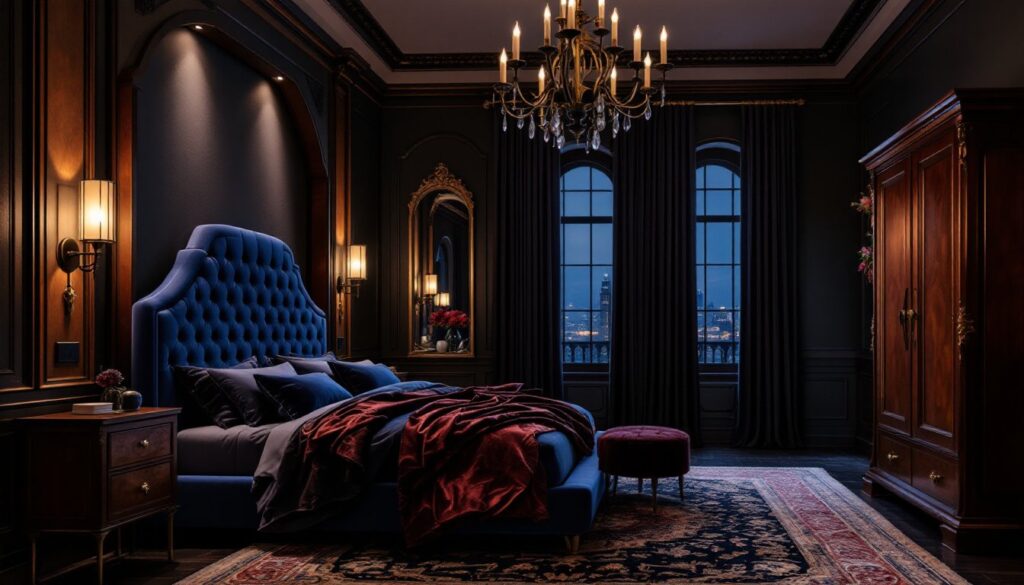
ToggleA luxury gothic bedroom isn’t about cobwebs and Halloween decorations, it’s a sophisticated, intentional design approach that celebrates deep colors, dramatic textures, and architectural elegance. Whether you’re drawn to Victorian opulence, modern minimalism with gothic undertones, or Renaissance-inspired grandeur, the gothic aesthetic offers endless possibilities for a bedroom that feels both intimate and commanding. Creating this look requires balancing bold color choices, statement furniture pieces, and thoughtful lighting to avoid a space that feels heavy or unwelcoming. This guide walks you through the design fundamentals, material choices, and finishing touches that elevate a gothic bedroom from trendy to genuinely luxurious.
Key Takeaways
- A luxury gothic bedroom balances bold, deep jewel-tone colors with sophisticated architectural details and intentional design choices to create an intimate yet commanding retreat.
- Invest in statement furniture pieces with real materials—upholstered headboards, solid wood dressers, and ornate hardware—that anchor the room’s aesthetic without appearing cartoonish or costume-like.
- Layer your lighting with wall sconces, dimmable fixtures, and accent lighting to create dramatic ambiance; avoid harsh overhead lights that strip away the gothic aesthetic’s intimacy.
- Choose high-quality textiles like velvet, silk, and brocade for bedding and floor-to-ceiling drapes to add luxury and comfort while reinforcing the overall mood.
- Architectural elements such as crown molding, wainscoting, or tall mirrors with gothic-style frames elevate the space cost-effectively and add verticality without major renovations.
- Build your luxury gothic bedroom gradually by prioritizing walls and lighting first, then adding furniture and textiles, ensuring every element serves either comfort or aesthetic purpose.
Defining Luxury Gothic Style for Modern Bedrooms
Luxury gothic design merges historical drama with contemporary comfort. The core distinction between gothic and other dark aesthetics is its emphasis on architectural detail, verticality, and ornamental craftsmanship, think arched doorways, carved woodwork, and jewel-toned materials rather than flat minimalism or industrial bleakness.
Modern luxury gothic draws from three main periods: medieval gothic (soaring lines, stone references), Victorian gothic (rich fabrics, dark wood, ornate hardware), and contemporary interpretations that strip unnecessary elements while retaining the color palette and mood. Your bedroom should feel like a refined retreat, not a museum display or costume party.
Start by defining which era resonates with you. Are you after velvet upholstery and chandelier drama, or cleaner lines with rich materials and moody lighting? Your answer shapes every choice that follows, from wall treatment to hardware finishes to textile choices. The throughline is always intentionality: every element should either serve comfort or support the aesthetic.
Color Palettes and Wall Treatments
Deep, saturated colors are non-negotiable in a luxury gothic bedroom. Your primary wall color sets the mood for the entire space. Consider these approaches:
Deep jewel tones (emerald, sapphire, amethyst) create richness without feeling claustrophobic, especially in larger bedrooms with high ceilings. Charcoal or deep navy walls offer versatility and pair with nearly any accent color. Warm blacks (with brown or purple undertones) feel more inviting than pure black, which can read harsh. Many designers prefer rich burgundy or wine tones for bedrooms because they retain warmth and don’t demand as much supplemental lighting as cooler darks.
For wall treatment, you have several options. A matte or velvet finish paint (flat or eggshell sheen) absorbs light beautifully and feels luxurious. If you’re painting, prep surfaces properly by filling nail holes, sanding, and applying primer, two coats of quality paint ensure rich color and durability. Wallpaper offers architectural drama: damask patterns, embossed surfaces, or floral repeats in metallic accents add texture and visual interest without additional furniture. Wallpaper in a gothic bedroom should either be bold and patterned or subtle and textured: avoid thin, glossy papers that cheapen the look.
Accent walls work well in gothic spaces. A single wall of deep color, patterned wallpaper, or even a faux stone or shiplap treatment in charcoal creates focal interest without overwhelming the room. Paint finishing is inexpensive prep work, sand between coats, use a quality brush, and apply thin, even layers for professional results.
Statement Furniture and Architectural Elements
Furniture in a luxury gothic bedroom serves as visual and functional anchors. The bed is your largest statement piece and deserves investment. Look for upholstered headboards in tufted velvet, carved wood frames with ornate details, or platform beds with architectural presence. Iron or brass frames with gothic arches or cross details elevate the aesthetic. Size matters: a queen or king bed in a gothic room looks proportional and inviting: anything smaller feels undersized against dramatic walls.
Beyond the bed, prioritize pieces with visual weight and material quality. A solid wood dresser or armoire in dark wood (walnut, ebonized oak, or stained pine) anchors the room’s furnishings. Metal hardware, blackened steel, aged brass, or ornate iron pulls, reinforces the gothic aesthetic without screaming costume drama. Avoid particle board or veneer: gothic luxury demands real materials that age gracefully.
Architectural elements make or break gothic design. Crown molding, baseboards, and wainscoting in dark finishes add verticality and formal elegance. A feature fireplace with a carved mantel becomes a focal point: even a non-functional surround reads as architectural drama. If major carpentry isn’t in your wheelhouse, add architectural interest with wall-mounted shelving in dark wood, floor-to-ceiling curtain rods, or tall mirror frames that echo gothic arches. These elements cost significantly less than built-ins but deliver similar impact. Consider adding recessed shelving or a built-in window seat if permits allow, structural changes require proper planning and sometimes professional installation, so consult your local building department before starting major carpentry.
Lighting Design for Dramatic Ambiance
Lighting is where amateur gothic bedrooms fail. Overlit spaces with harsh ceiling fixtures strip away the aesthetic’s intimacy and drama. Your goal is layered, dimmable lighting that creates atmosphere while remaining functional.
Ambient lighting should come from wall sconces flanking the bed, a chandelier positioned off-center, or recessed fixtures on a dimmer switch. Avoid centered ceiling lights: they’re unflattering and dated. Task lighting (a small reading lamp on each nightstand, perhaps with a dark metal base) serves function without disrupting mood. Accent lighting highlights architectural features: LED strips behind crown molding, uplighting on dark wood paneling, or pin lights on artwork create depth and sophistication.
Lamp shades matter enormously. Gothic bedrooms demand fabric in deep jewel tones, or consider drum shades with subtle damask patterns, metal mesh, or burlap. Bare bulbs are acceptable only if the fixture itself is a statement piece (ornate brass, wrought iron, or crystal). Candles, real or high-quality LED, scattered on surfaces reinforce the aesthetic and cost almost nothing.
Choosing Statement Light Fixtures
Your main fixture should reflect the aesthetic without being cartoonish. A black or aged-brass multi-arm chandelier with crystal pendants, fabric shades, or candle-style bulbs reads as luxury rather than Halloween decoration. Wrought-iron sconces with frosted or smoked glass diffusers work well beside beds. Tall floor lamps with dark metal tripod bases and jewel-toned shades add drama in corners. Look for fixtures with UL certification and proper wattage for your room size, undersized fixtures look cheap, while oversized ones overwhelm the space. Online retailers and lighting showrooms often allow 30-day returns, so test pieces in your actual room before committing to purchase.
Textiles, Patterns, and Luxe Finishing Touches
Textiles elevate a gothic bedroom from aesthetic to genuinely luxurious. Your bed is the focal point, so invest here: high-thread-count cotton sheets (400 thread count minimum for comfort), a plush duvet in deep colors or damask patterns, and throw pillows in varied textures create visual interest and physical comfort. Velvet, silk, brocade, and jacquard fabrics feel opulent without requiring special care (most are machine washable on gentle cycles). Layer textures, smooth satin, chunky velvet, subtle embroidery, so the bed invites rather than intimidates.
Curtains frame windows and walls powerfully. Floor-to-ceiling drapes in heavy fabric (velvet, brocade, or heavyweight linen) create drama and manage light effectively. Dark colors (charcoal, deep burgundy, forest green) feel luxurious: lighter fabrics should feature gothic patterns (damask, floral toile, ornate prints). Lining adds weight, light-blocking function, and longevity, most quality curtains are lined, which adds cost but extends fabric life and improves insulation.
Small details complete the look. A Persian or Turkish rug in jewel tones under the bed adds warmth to hard floors. Dark mirrors with ornate frames double visual space and bounce light. Wall art, framed botanical prints, classical paintings, or abstract pieces in moody colors, personalizes the space. Fresh or high-quality faux flowers (peonies, roses, black dahlias, or ivy) in dark ceramic vases add life. According to design trends at House Beautiful, textured layering and curated accessories define contemporary luxury, making each piece intentional rather than accidental. Avoid clutter: gothic bedrooms read best when every object serves aesthetic or comfort purposes.
Conclusion
A luxury gothic bedroom requires intention and investment, but the result is a personal sanctuary that transcends trends. Prioritize quality materials, thoughtful color choices, and layered lighting, these fundamentals never feel dated. Research design inspiration from MyDomaine and other curated sources before purchasing major pieces. Build gradually if budget is tight: start with walls and lighting, add statement furniture, then layer textiles and accessories. The goal is a bedroom that feels sophisticated, inviting, and unmistakably yours.