Table of Contents
ToggleA luxury bathroom sink isn’t just a fixture, it’s often the focal point that sets the tone for the entire space. Whether you’re drawn to sleek minimalism, classic elegance, or bold sculptural forms, the right sink can transform a functional room into a retreat. Homeowners upgrading their bathrooms in 2026 are increasingly investing in high-end sinks that combine performance with aesthetic impact. This guide explores what distinguishes luxury sinks from standard options, the materials that deliver lasting beauty, design styles that work today, and practical installation and care strategies so your investment stays looking exceptional for years.
Key Takeaways
- A luxury bathroom sink combines superior material thickness (6-8mm ceramic or thicker), hand-finished details, and intentional design to create a focal point that transforms any bathroom.
- Natural stone options like marble and granite offer unmatched elegance but require annual sealing and careful maintenance, while engineered quartz composites provide durability with minimal upkeep.
- Vessel sinks dominate luxury design for their sculptural impact, while undermount and wall-hung styles deliver minimalist aesthetics that maximize visual space.
- Proper installation is critical—especially for undermount and wall-hung sinks—to prevent water damage and ensure your luxury sink investment lasts decades.
- Routine maintenance like sealing stone, checking caulk integrity, and using soft cleaning methods preserves the exceptional appearance of your luxury sink for years to come.
What Makes a Luxury Bathroom Sink Stand Out
Luxury sinks differ from basic models in several measurable ways. First, material quality: premium sinks use thicker ceramics, solid stone, or engineered materials that resist chipping, staining, and thermal shock. A standard bathroom sink might be 3-4 mm ceramic: a luxury version typically runs 6-8 mm or thicker.
Second, craftsmanship shows up in details. Hand-finished edges, zero-radius corners, integrated overflow designs, and precision-molded drain layouts require skilled labor and tighter quality control. The weight itself often signals quality, a solid marble or granite vessel sink will feel substantial and stable, whereas thin pressed ceramic feels flimsy.
Third, longevity matters. Luxury sinks come backed by warranties (often 10+ years), and their materials resist thermal expansion cracking, hard-water staining, and etching better than budget alternatives. They also pair well with high-end faucets, which typically offer better valve construction and finish durability.
Finally, design intentionality sets luxury apart. Rather than generic white rectangles, luxury sinks express a design philosophy, whether that’s industrial minimalism, spa-like warmth, or architectural drama. The sink becomes an investment piece, not just a utility.
Popular Materials for High-End Bathroom Sinks
Natural Stone and Marble Options
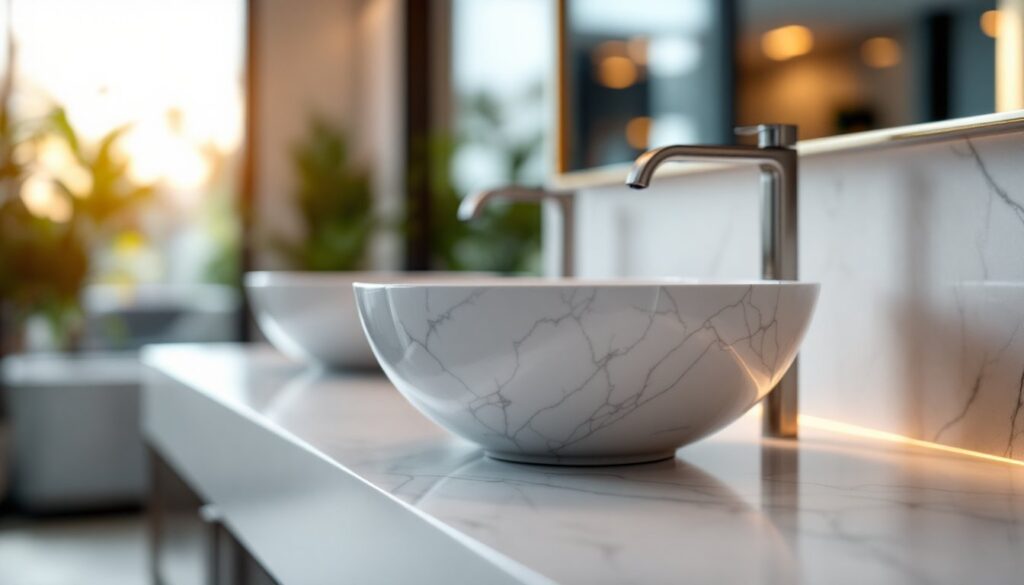
Marble and granite vessel sinks command attention because they’re genuine pieces of earth, each with unique veining and color variation. Marble is softer than granite, it etches when exposed to acidic substances (lemon juice, vinegar, certain cleaners), but offers unmatched elegance and that cool-to-touch luxury feel. Expect to seal marble annually and avoid standing water to prevent staining.
Granite is significantly harder and more stain-resistant, making it practical for busy bathrooms. Basalt and soapstone are other durable stone options: soapstone develops a rich patina over time. The downside: stone sinks are heavy (often 50+ pounds), requiring reinforced vanity cabinets and careful installation. Chipping edges is also a genuine risk if the sink isn’t properly supported. Most stone sinks cost $600–$2,500 depending on rarity and thickness.
Luxury stone sinks also come in finished bowls (pre-polished or honed) or rough-hewn styles that embrace natural texture. The finish affects both aesthetics and maintenance: polished stone shows water marks easily, while honed finishes are more forgiving.
Modern Glass and Metal Finishes
Glass sinks deliver a sleek, contemporary look and visually lighten a space. Tempered glass is safety-rated and durable, though still prone to hard-water spotting and fingerprints. Clear glass shows every drip: frosted or tinted glass (charcoal, smoky gray, pale blue) hides marks better. Glass sinks typically range $400–$1,200 and are easier to clean than stone, just soap and water, plus occasional vinegar rinses to cut mineral deposits.
Stainless steel sinks appeal to minimalist and industrial-style bathrooms. Commercial-grade 16-gauge steel resists denting and corrosion better than lighter gauges. They’re budget-friendly ($200–$600) and incredibly durable, but they show water marks and require regular polishing to maintain a lustrous appearance.
Composite materials, acrylic, solid surface, or engineered quartz, blend durability with a luxe look. Quartz composites resist staining, scratching, and thermal shock, making them nearly worry-free. These run $500–$1,500 and come in endless color and pattern options. Unlike natural stone, composites are consistent, which appeals to designers seeking uniformity.
Design Styles for Luxury Sinks
Vessel sinks, where the bowl sits atop the countertop like a sculpture, dominate luxury bathrooms. They demand a striking faucet and often a matching countertop cutout and drainage system, but the payoff is undeniable visual drama. Vessel styles range from geometric cubes to organic oval shapes and hand-thrown ceramic forms inspired by pottery.
Undermount sinks set the bowl flush beneath the counter, creating a seamless, minimalist line that prioritizes clean sight lines. This style pairs well with waterfall edges or waterfall countertops and requires precise countertop fabrication and sealing to prevent water infiltration under the rim.
Classic pedestal sinks are experiencing a luxury revival, especially in traditional and transitional bathrooms. High-end pedestal sinks use thicker porcelain, refined proportions, and integrated towel bars or shelf details that standard models skip. They work brilliantly in smaller bathrooms where a vanity cabinet isn’t practical.
Wall-hung sinks mount directly to the wall, offering a floating appearance that maximizes floor space and visual lightness. They require substantial structural support (studs or blocking behind drywall) and careful plumbing routing, but reward with a modern, spa-like aesthetic. Research installations on home decorating and interior design platforms to see how designers mount and style these fixtures.
Trough and double-bowl designs appeal to couples or busy households. Luxury troughs use polished stone or composite materials and offer 36–48 inches of counter space with a single elegant drainage system. They’re pricier ($1,200–$3,000+) but reduce conflict over vanity real estate. Artisanal sinks, handmade from ceramics or glazed stone using old-world techniques, bring bespoke character and can cost $2,000 and up depending on the maker.
Installation and Maintenance Tips
Installation prep is critical. For vessel sinks, the countertop cutout must be precise, oversized holes compromise the seal and create leak risks. Most fabricators will template the sink first, then cut. For stone sinks, verify that your cabinet can support the weight: a 60-pound marble sink needs a solid base (not plywood), ideally with additional blocking under the cutout.
Undermount sinks demand professional installation in most cases because the bowl must be sealed to the underside of the counter with silicone, and any gap invites water damage into the cabinet. Pedestal sinks are simpler, they’re designed to support their own weight, but confirm the floor is level and the wall studs are solid before fastening the bracket.
Plumbing rough-ins should be done before the sink installs. For wall-hung sinks, rough-in supply and drain lines, then secure the mounting bracket with at least two fasteners into studs. The sink hangs from this bracket, so it must be rock-solid. Hire a licensed plumber if your bathroom doesn’t already have supply and drain in the right location.
Maintenance varies by material. Stone sinks need sealing every 6–12 months (check manufacturer specs). Wipe spills immediately, avoid acidic cleaners on marble, and use a soft sponge, never abrasive scouring pads. Glass sinks should be cleaned with a microfiber cloth and mild soap solution to prevent streaks. Composite sinks are nearly carefree: mild soap and water, avoid bleach, and dry with a soft cloth.
All sinks benefit from regular caulking checks around the perimeter. Caulk (typically 100% silicone) should be intact and free of mold or gaps. If it’s cracked or pulling away, remove it with a caulk removal tool, let the area dry completely, and re-caulk. This simple maintenance prevents water from seeping into cabinetry and extending the life of your fixture by years. Drain maintenance matters too, use a strainer to catch hair and debris, and flush with hot water weekly to keep pipes clear.
Conclusion
Investing in a luxury bathroom sink pays dividends in daily enjoyment and long-term durability. Whether you choose sculptural marble, minimalist glass, or artisanal ceramic, the key is matching material and style to your lifestyle, bathroom layout, and maintenance tolerance. Start by clarifying your aesthetic vision and functional priorities, then select a sink built to deliver both. Proper installation and routine care ensure your luxury fixture remains beautiful and functional for decades to come.