Imagine walking into your home and having it adjust to your mood before you even kick off your shoes. What if the lights dimmed, the coffee brewed, and your favorite playlist started, all with one simple command? Welcome to the intriguing world of home automation systems. They’re not just for tech enthusiasts anymore: they’re redefining the way we live in our homes. Get ready to jump into this tech marvel that promises comfort, convenience, and a sprinkle of magic in your daily routine.
Understanding Home Automation
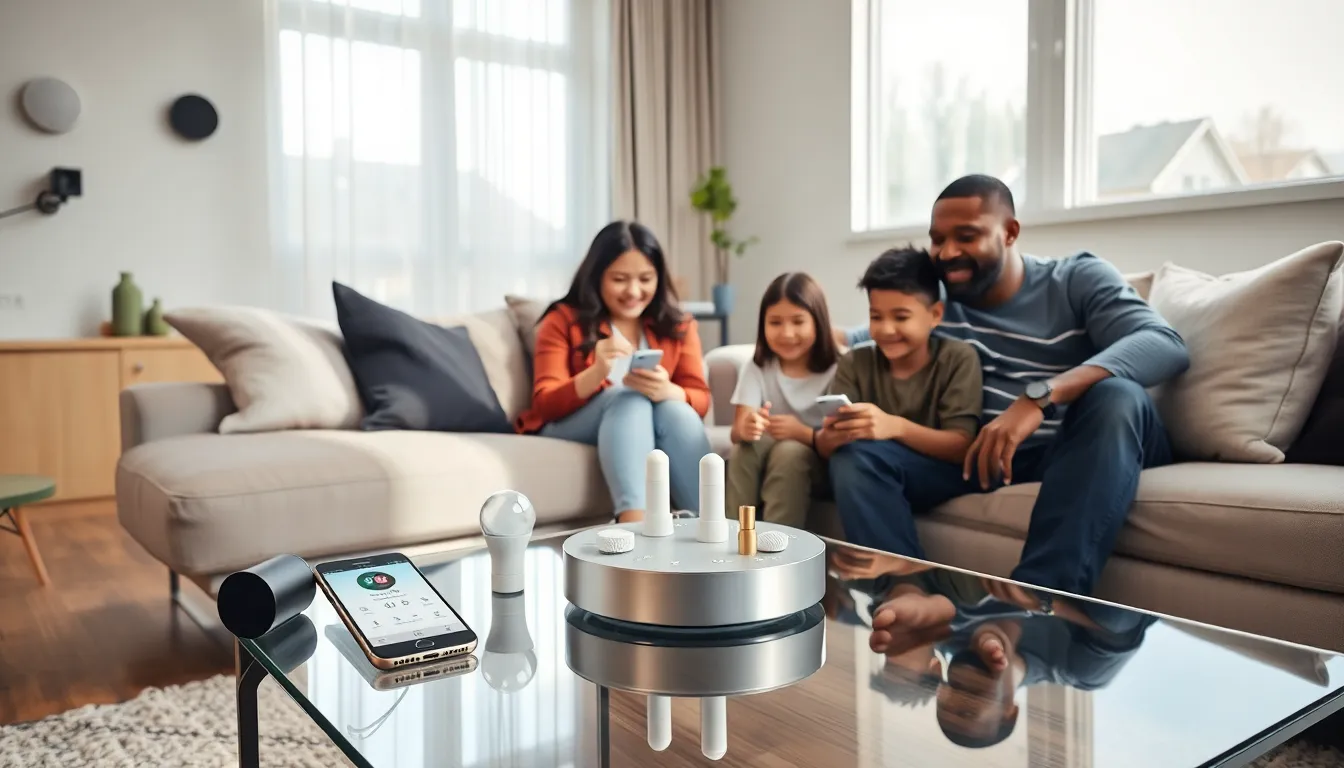
Home automation is a fantastic blend of technology and everyday life. Essentially, it allows various devices in a home to communicate with each other through the Internet or a local network, making life simpler and more efficient. Imagine controlling your lights, thermostat, and even your refrigerator from your smartphone or voice-activated devices. The main component is a central hub that connects all these devices, ensuring they can share information and respond to commands swiftly.
Home automation systems are designed to enhance the quality of life while providing sufficient security, energy efficiency, and convenience. They aren’t just about fancy gadgets: they focus on creating an interconnected ecosystem that learns from users and their habits, adapting over time.
Key Features of Home Automation Systems
Home automation systems boast a plethora of features that cater to different needs and preferences. Here are some standout elements that make these systems truly remarkable:
- Remote Access: Users can control their systems from anywhere. Whether at the office or on vacation, they can adjust settings, trigger devices, or check on their home.
- Smart Lighting: Automated lighting systems can schedule when lights turn on or off, dim according to the time of day, and even change colors based on mood or occasion.
- Climate Control: Smart thermostats learn a user’s preferences, adjusting the temperature automatically, leading to significant energy savings.
- Home Security: From cameras to motion sensors, home automation improves security with real-time alerts sent to smartphones if anything unusual occurs.
- Voice Control: Integration with virtual assistants like Alexa or Google Assistant adds a layer of convenience that allows users to control devices with simple voice commands.
Benefits of Implementing Home Automation
Adopting a home automation system brings numerous benefits, enhancing the overall lifestyle:
- Convenience: Home automation takes the hassle out of daily routines. Now, you can control everything from lighting to security with just a tap or a voice command.
- Energy Efficiency: Many smart devices optimize energy usage. For example, smart thermostats can learn and adjust to your schedule, helping to lower utility bills significantly.
- Enhanced Security: Automated home security features provide peace of mind. Users receive real-time alerts, allowing them to monitor their home even when they’re not around.
- Increased Comfort: Imagine your home adjusting to your preferences automatically, creating the perfect atmosphere without lifting a finger.
- Accessibility: For those with mobility challenges, home automation can improve accessibility. Voice commands or automated systems enable easier interactions with household devices.
Types of Home Automation Systems
There are several types of home automation systems available, catering to different needs and preferences:
- Lighting Control Systems: These systems allow users to automate and control lighting scenarios for ambiance and energy savings.
- Climate Control Systems: These ensure optimal heating and cooling of a house, often integrating with smart thermostats to manage energy use effectively.
- Home Security Systems: Ranging from smart locks to surveillance cameras, these systems offer comprehensive monitoring and control of home security.
- Entertainment Automation: Smart TVs and audio systems that can be controlled from your smartphone or through voice assist, enhancing the entertainment experience.
- Smart Appliances: Refrigerators, ovens, and other appliances that connect to the network, providing notifications and remote management capabilities.
Getting Started with Home Automation
Diving into home automation can seem daunting, but it doesn’t have to be:
- Assess Your Needs: Determining what areas of your home you want to automate is the first step. Are you more interested in security, convenience, or energy savings?
- Research Compatibility: Before purchasing, ensure that devices you consider are compatible with each other and with a central hub, if applicable.
- Choose a Hub: A central hub is vital for a cohesive system. Popular options include SmartThings, Amazon Echo, and Google Nest, which can help connectivity between devices.
- Start Small: Initiate with one or two devices. This phased approach makes it easier to troubleshoot issues and grow your system over time.
- Seek Professional Help if Needed: Don’t shy away from enlisting a professional for installation, especially for complex systems, ensuring your home is set up correctly.
Future Trends in Home Automation
As technology matures, the home automation landscape continues to evolve. Here are a few trends shaping the future:
- Artificial Intelligence: AI-driven automation will enable systems to learn from users’ behavior, offering personalization that anticipates their needs.
- Enhanced Security Features: With increasing cybersecurity threats, next-gen security systems will be prioritized, including real-time monitoring and advanced analytics.
- Integration with IoT: The Internet of Things will connect more devices, creating a seamless network where everything communicates effectively and efficiently.
- Sustainable Solutions: As energy efficiency gains importance, more systems will incorporate sustainable practices, optimizing energy consumption and promoting eco-friendly habits.