Imagine this: a summer storm blows through, the power flickers off, and there you are, leaping into action like a superhero, ready to save the day with your trusty whole home generator. But, what if the generator decides it’s on strike? To prevent that from happening, understanding whole home generator maintenance is key. In this text, we’ll explore why regular upkeep is essential to keep your generator in tip-top shape – with a sprinkle of humor, of course. So grab a cup of coffee, and let’s jump into the world of generator maintenance, where your backup power can go from ‘what if’ to ‘totally reliable’.
Understanding Whole Home Generators
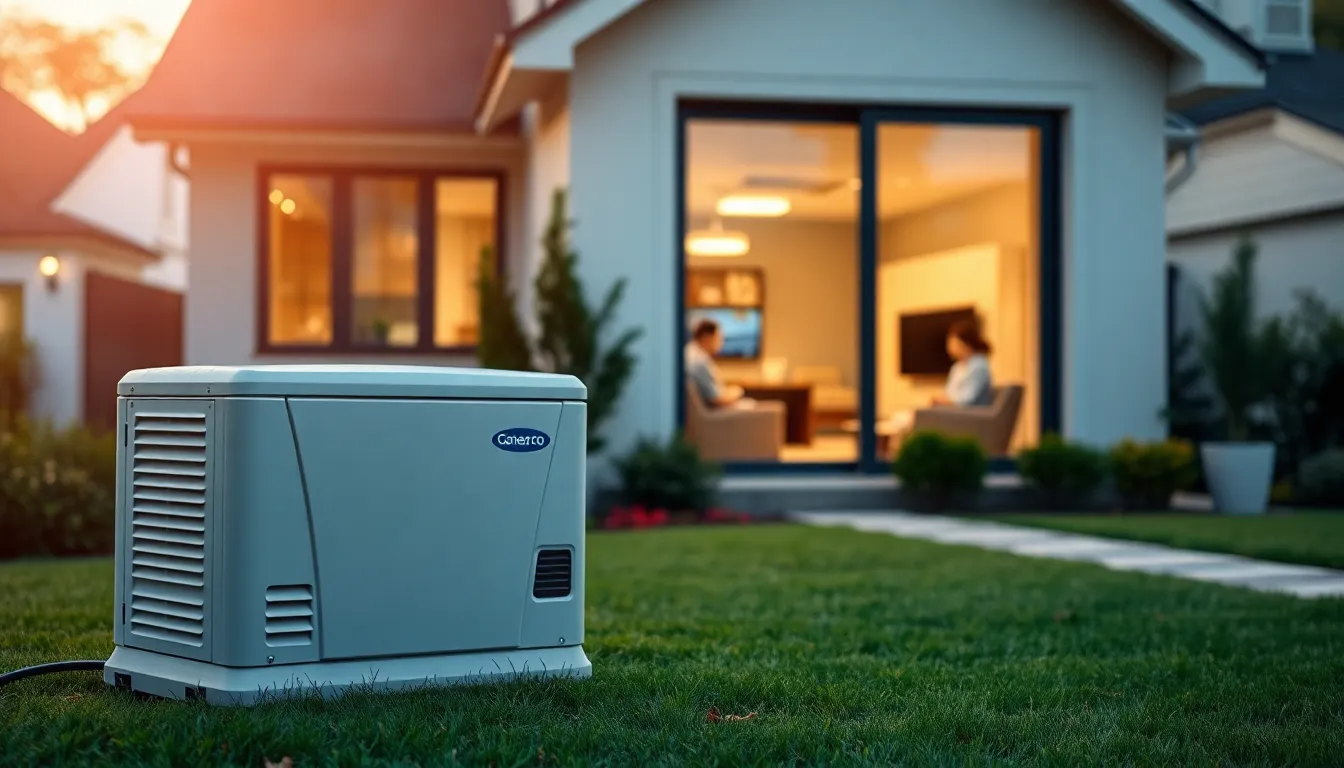
Whole home generators are often the unsung heroes of residential power outages. They provide seamless electricity to your home, ensuring that when the lights go out, your daily life doesn’t have to stop. These systems kick in automatically, detecting power loss and starting up without you lifting a finger. Imagine never having to worry about your food going bad or missing out on your favorite Netflix binge during a blackout. But, just like any hero, these generators need care and attention to keep performing at their best.
Key Components of Generator Maintenance
For whole home generators to function well, they rely on several key components:
- Engine: This is the powerhouse that converts fuel into electricity. Keeping it clean and well-oiled is essential for smooth operation.
- Battery: A generator won’t do much good if its battery is dead. Regular testing ensures it has the juice it needs to start up.
- Fuel System: Without fuel, there’s no power. Checking fuel levels and ensuring clean fuel flow is paramount.
- Cooling System: Overheating can lead to breakdowns. Keeping fans and radiators clean helps the engine stay cool under pressure.
- Control Panel: This is the brain of the operation, controlling the generator’s functions. Make sure buttons are responsive and displays are clear.
Regular Maintenance Tasks
Performing regular maintenance tasks can prolong the life of your generator significantly. Here are essential tasks to keep on your radar:
- Oil Change: Just like your car, your generator needs oil changes. Aim for every 100 hours of operation or at least once a year.
- Filter Replacement: Air and fuel filters can become obstructed over time. Replacing these filters regularly helps maintain optimal performance.
- Battery Maintenance: Check the battery charge and terminals for corrosion. Clean any buildup to ensure a reliable start every time.
- Exercise the Generator: Running your generator for about 30 minutes every month not only ensures that it’s working but also helps lubricate the internal parts.
- Inspect Hoses and Belts: Look for any signs of wear and tear, and replace them immediately to prevent breakdowns.
Common Issues and Troubleshooting Tips
Even the best generators can face issues. Here are some common problems and troubleshooting tips:
- Generator Won’t Start: Check the fuel gauge, empty tanks can ruin your day. If that’s not the issue, inspect the battery and connections.
- Low Power Output: This might be related to dirty filters or insufficient fuel flow. Cleaning or replacing filters usually does the trick.
- Overheating: Ensure the cooling system is functioning properly. Clearing any debris from the fan area can help.
- Strange Noises: Any unusual sounds could signify bigger problems brewing. It’s best to consult with a professional if this occurs.
Hiring a Professional vs. DIY Maintenance
When it comes to generator maintenance, one must decide between hiring a professional or doing it themselves. Professionals bring expertise and efficiency, ensuring that everything is checked and serviced correctly. But, DIY maintenance can save money and empower homeowners to learn about their systems. For those who feel confident and enjoy a little hands-on work, tackling basic maintenance tasks can be gratifying. Yet, for significant repairs or inspections, turning to professionals is wise to avoid causing inadvertent damage.
Safety Precautions During Maintenance
Safety should always be top-of-mind when working with whole home generators. Here are essential safety precautions to keep in mind:
- Disconnect Power: Always ensure that the generator is turned off and disconnected from your home before starting any maintenance.
- Wear Protective Gear: Safety glasses and gloves can prevent injuries during upkeep.
- Proper Ventilation: Generators produce exhaust fumes. Ensure you’re in a well-ventilated area to avoid inhalation of harmful gases.
- Read the Manual: Familiarize yourself with the manufacturer’s guidelines for safe maintenance practices.