When the lights flicker and the storm clouds gather, nothing feels more comforting than the reliable hum of your whole home generator. But just like your beloved car, this powerhouse needs some TLC to keep it running smoothly. Maintaining a generator isn’t just about showing it some love: it’s essential to ensure it kicks in at the right moment without throwing a tantrum. Ready to learn how to keep your generator in peak condition? Let’s jump into the nitty-gritty of whole home generator maintenance, it’s easier than you think and yes, it can even be fun.
Understanding Whole Home Generators
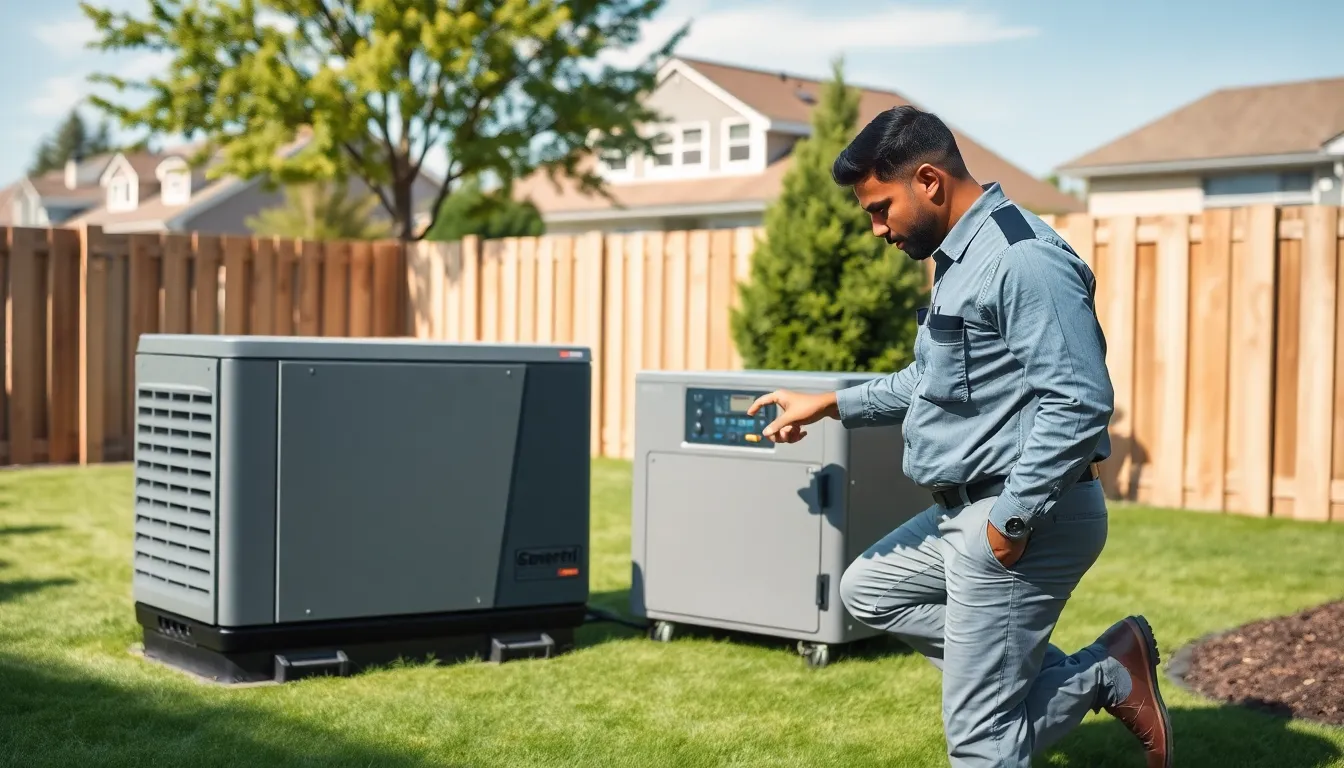
Whole home generators are designed to provide seamless backup power to an entire house during outages. Unlike smaller, portable options, these machines kick in automatically, keeping your fridge humming, your lights shining, and your home cozy. Their size varies, but their purpose remains the same, to protect your home and ensure your comfort.
Understanding how these generators work is crucial for effective maintenance. They typically run on natural gas, propane, or diesel, with automatic transfer switches monitoring utility power. When an outage occurs, the system activates in seconds, providing peace of mind during storms or blackouts. But, neglecting maintenance can turn this superhero into a sideline spectator when you need it most.
Importance of Regular Maintenance
Regular maintenance for whole home generators isn’t just recommended: it’s essential. Here’s why:
- Longevity: Just like any mechanical equipment, neglect can decrease a generator’s lifespan. Regular checkups keep it in prime condition.
- Reliability: You don’t want to wait for a blackout to find out the battery is dead or the oil needs changing.
- Safety: Ensuring every component works properly helps avoid dangerous malfunctions that could risk health and property.
- Efficiency: A well-maintained generator operates more effectively, reducing fuel consumption and saving money.
- Warranty Compliance: Many warranties require regular maintenance to remain valid, so skipping out could void your coverage.
Eventually, keeping up with maintenance means fewer surprises and more power during those unpredictable outages.
Key Maintenance Tasks for Whole Home Generators
Performing regular maintenance tasks can seem daunting, but with a little effort, it can be quite manageable. Here are the vital tasks that should be on every homeowner’s checklist:
1. Inspecting and Changing the Oil
Regularly check the oil level and change it according to the manufacturer’s recommendations. Old oil can lead to engine wear, so staying on top of this task can add years to your generator’s life.
2. Checking the Air Filter
An air filter clogged with dirt and debris can reduce performance. Inspect it often and clean or replace it as necessary to ensure optimal airflow.
3. Testing the Battery and Electrical Components
The battery is the heart of your generator, and like any battery, it doesn’t last forever. Test it regularly, and clean terminals to prevent corrosion.
4. Cleaning the Fuel System
Fuel can stagnate or go bad, leading to poor performance. Keep the fuel system clean and replace fuel filters as recommended to ensure smooth operation.
5. Running Regular Load Tests
Performing load tests simulates a power outage to ensure the generator can handle the load. This checks if it operates correctly under stress, giving you confidence for when you really need it.
When to Schedule Professional Maintenance
While many maintenance tasks can be handled by homeowners, there are times when calling in the professionals is the best course of action. Schedule professional maintenance at least once a year or more frequently if you use your generator often.
Signs that professional help might be necessary include:
- The generator doesn’t start or runs poorly.
- Unusual noises or vibrations indicate a potential issue.
- Warning lights illuminate on the control panel.
- If any maintenance tasks feel beyond your comfort level.
Professionals have the expertise to catch problems you might overlook, ensuring your generator is in tip-top shape for those unexpected power cuts.
Tips for DIY Generator Maintenance
If you’re the handy type, here are some tips to help you maintain your whole home generator:
- Keep a Maintenance Log: Track all your maintenance activities, including dates for oil changes and filter replacements.
- Follow the Manual: Consult the owner’s manual for specific maintenance advice tailored to your model.
- Wear Protective Gear: Safety first. Always wear gloves and goggles when working on your generator to protect against oil and fuel exposure.
- Involve the Family: Turn maintenance into a family activity. This can teach responsibility while ensuring everyone knows how to support the generator when needed.
- Stay Informed: Join online forums or local groups where you can share tips and ask questions to stay abreast of new maintenance techniques.